
10 foods that support your immune system
Two dieticians weigh in on the foods that could help support your immune system. Plus, we look at how your immune system works, whether chicken soup really is good for the soul (and your health!), and when you should be taking a supplement.
We hear a lot about boosting our immune systems during winter, but can what we eat really strengthen or weaken it? Dieticians Jeske Wellmann and Melissa Colborne say yes – but the term “boosting” is often inaccurately used. Melissa says the danger of boosting the immune system is that “it can start attacking itself”. An immunologist at Cedars-Sinai in California, Dr Suzanne Cassel, explains that what we actually want is a balanced immune system: “Too much of an immune response is just as bad as too little response.”
But before we look at how we can help balance our immune systems, the question is: do you even really know what your immune system is?
Jeske breaks it down for us: “Your immune system is complex. But ultimately it is your protective mechanism.” The body recognises certain bacteria, viruses, fungi, and it knows, hey, I can eliminate them, she further explains.
Jeske describes the immune system as “the army in your body”, with each organ relying on certain nutrients to build up this army.
Can what you eat affect your immune system?
The answer to the question above is yes, what you eat could affect your immune system. “If you consume the right nutrients, they can build a strong army and you’ll be protected against certain viruses, bacteria and fungi,” Jeske says. “A well-balanced diet gives us all the nutrients we need for our immune system to function properly. When we don’t get those essential nutrients, our bodies’ defence mechanisms are not as strong, which makes it easier for bacteria and viruses to enter our bodies and make us sick.”
The strength of your immune system even affects the duration and intensity of your illness. “If your immune system is good, you’ll recover quicker because your body will function more optimally,” Jeske explains. Sometimes, if your immune system is weak, you’ll become sicker than you would have if your immune system were strong, she adds.
But that’s not to say you won’t ever get sick if you have a strong immune system. “If there’s a new virus or a new bacterium, or even a bacterium that's known to the body but that has changed, you can still get sick. But if you have a strong immune system, you can fight it better.”
Dr Cassell expands this to say symptoms of illness are actually good as they’re a sign that your body is fighting the infection or virus.
READ: How to include anti-inflammatory foods in your diet – and reap the benefits
What to eat to support your immune system
Melissa recommends the following 10 foods to help support your immune system:
1. Citrus fruits
Citrus is rich in vitamin C, which supports the production and function of white blood cells.

2. Garlic
Garlic contains allicin, a compound with natural antibacterial and antiviral properties that may support the immune system.
3. Ginger
Ginger has anti-inflammatory effects that can help regulate immune responses.
4. Yoghurt
Yoghurt is a good source of probiotics, which promotes gut health. Since much of the immune system is found in the gut, this can help support overall immunity.
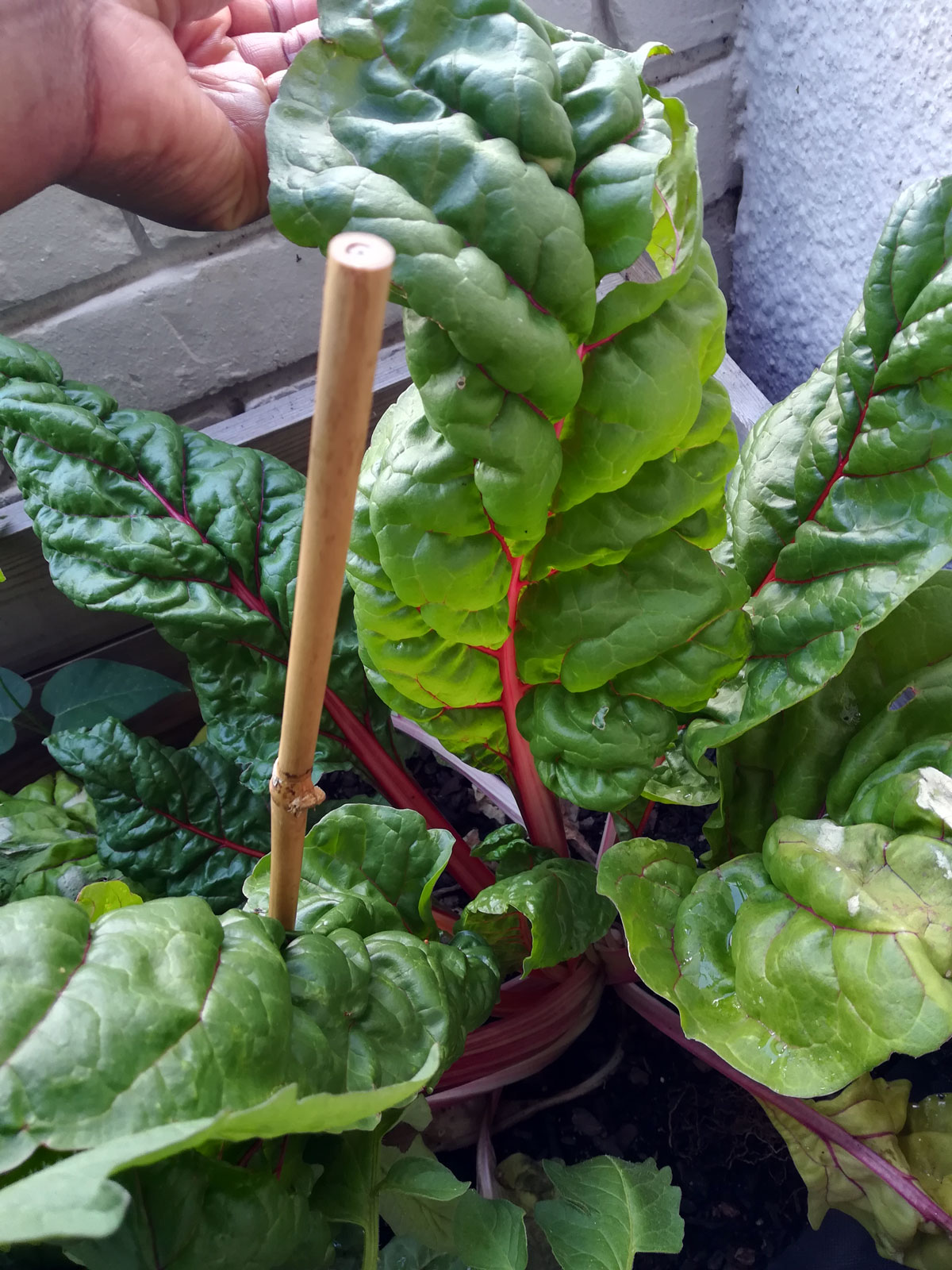
5. Spinach
Spinach is loaded with antioxidants, vitamin C and beta-carotene, which are important nutrients that contribute to immune-cell function.
ALSO READ: How to start a food garden on your balcony
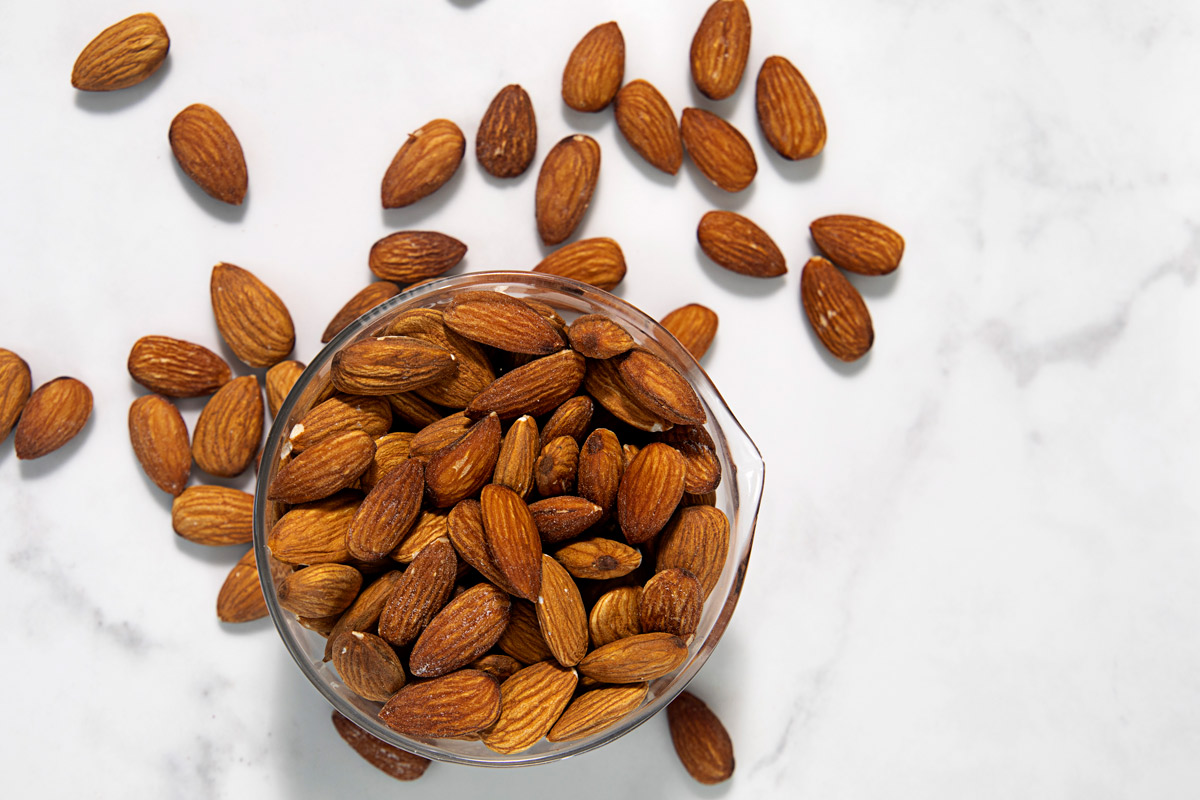
6. Almonds
Almonds are high in vitamin E, a key antioxidant that helps protect immune cells from damage.
7. Turmeric
Turmeric contains curcumin, which has been shown to have anti-inflammatory and immune-supporting properties.
8. Sunflower seeds
Sunflower seeds are packed with vitamin E, selenium and zinc, which are important nutrients for immune health.
9. Green tea
Green tea is rich in antioxidants, which may help regulate immune-cell activity.
10. Red peppers
Red peppers are high in vitamin C and beta-carotene, both of which help maintain healthy skin and mucous membranes, which is the body’s first line of defence.
You may also hear about “superfoods”. Jeske says this term refers to foods that contain a lot of a specific nutrient. But, as we’ve just seen, you need a variety of nutrients to improve your immune system.
READ: The healthiest ways to store, eat and serve fruit and vegetables
Is there any benefit from eating chicken soup when you’re sick?
“People recommend chicken soup or broth because it’s easy to eat and it contains a lot of fluids, which is important when you’re sick,” Jeske says. It's also a great way to get other immune-boosting foods into your diet, such as garlic, ginger, turmeric, parsley, and even peas.

Should you take a supplement to support your immune system?
If you’re already eating healthily, Jeske says, a supplement can help support your immune system. But, like so-called superfoods, they’re not the answer on their own. Jeske recommends that vulnerable people such as the elderly and children start taking a supplement before winter even starts, as they’re often the ones often exposed to germs in schools or old-age homes.


Comments