
TAMU: African recipes through the lens of Jane Nshuti
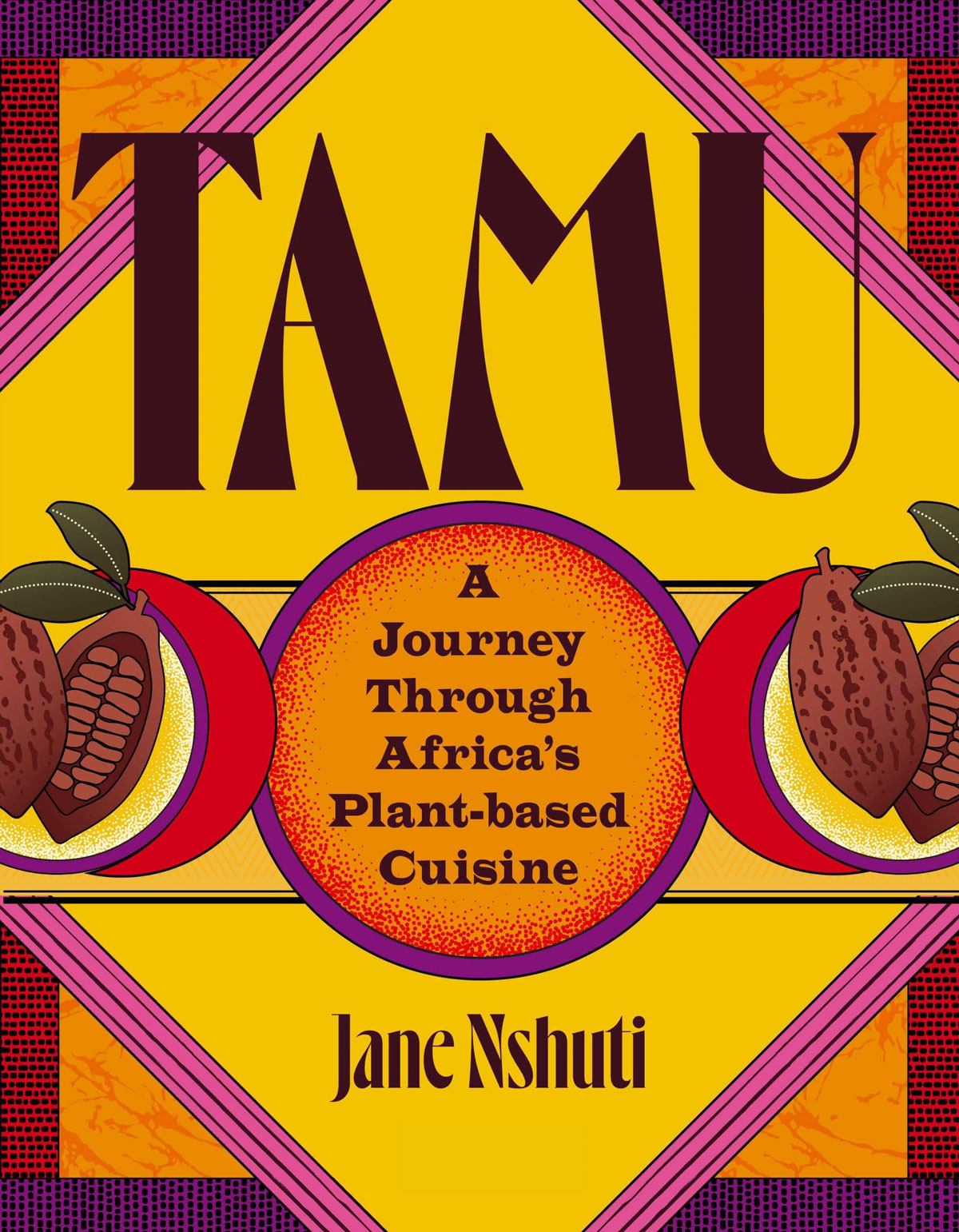
TAMU, the debut cookbook by African food educator and chef Jane Nshuti, is more than a recipe collection. It explores memory, migration and the ingredients that connect communities across the continent through deeply personal storytelling and over 70 plant-based, African recipes.
What truly sets a cookbook apart? Whether it’s the reliability of the recipes, a strong sense of story or the overall design, all of this is caringly stitched into this incredible contribution by African food educator and chef Jane Nshuti. It is, by way of the above description, a triple threat.
“Tamu” means “delicious” in Swahili. Jane’s debut offering started out as a journal entry and evolved into an insightful body of work. It addresses African food in a way that has not previously been done and explores plant-based, gluten-free African cuisine in modern and accessible ways.
ALSO READ: 9 African chefs and foodies to keep on your radar
Start with a cup of tea
Jane starts off by calling on the reader to sip a moringa latte as they page through the book. This is the first recipe that appears in it, ingeniously setting a scene and encouraging the reader to settle into the book as slowly as they wish. So, I invite you, too, to take a sip as you dive into this review with me.
What is TAMU about?
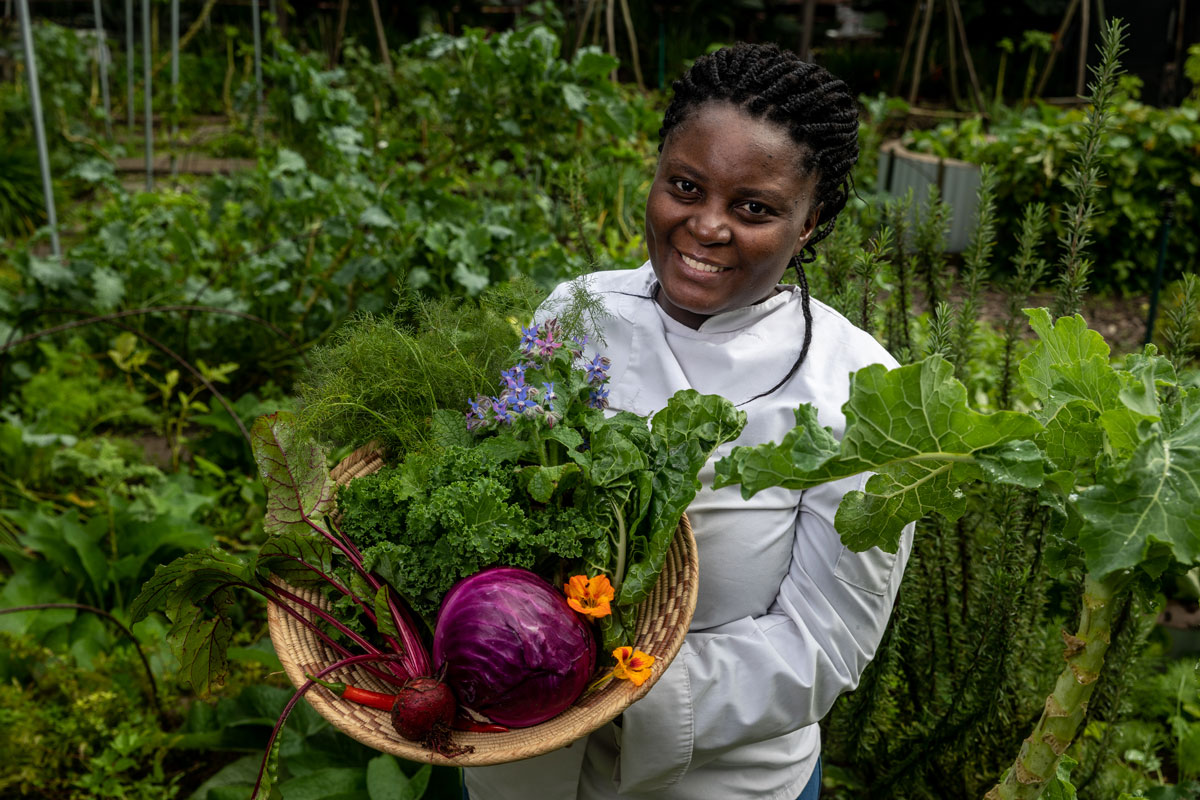
TAMU is regionally organised – into south, west, east and north Africa – and features over 70 recipes honouring the continent’s unique, rich bounty. The 12 chapters work in a specific order, taking the reader through the countries that Jane has lived in and the nations she’s been exposed to by way of the people she has shared meals with.
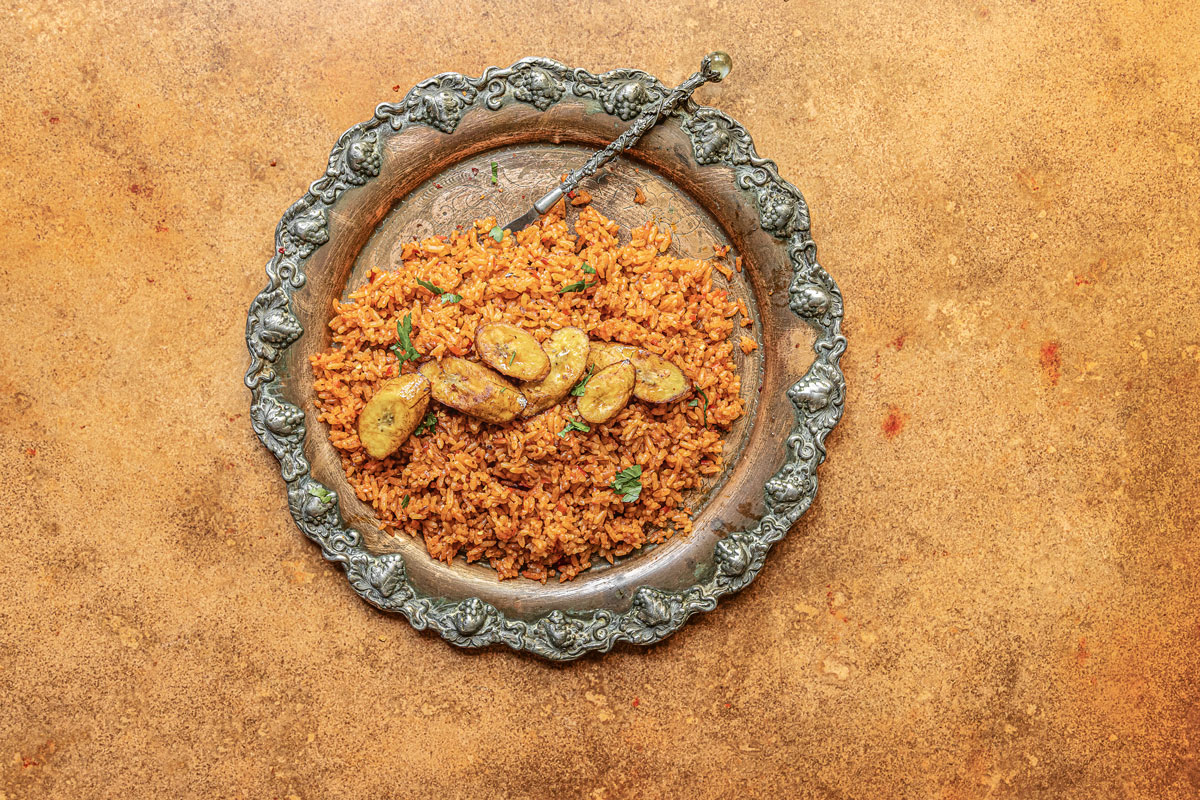
The recipes range from easy, weekday fare to celebratory feasts, all of it nutritious food that feels good to eat. It’s said that colour is flavour, and there is much of both to be discovered on these pages. Deciding what to cook first between the Ghanaian jollof, fried spicy cassava and the okra chickpea omelette will be your greatest internal debate.
“I had trained my taste buds to not only enjoy food but also to taste ingredients individually. When I decided to go plant-based in my early twenties, my love of food and cooking grew. I became passionate about developing recipes with perfect textures, aromas and flavours that are like the ones I have loved since my childhood. A burning desire awakened in me to start a revolution of taking African plant-based food to the world.”
But TAMU is about more than recipes. It’s a courageous work that narrates what it means when your world completely comes apart, and the fortitude to build anew. It doubles as a memoir of Jane’s life while placing African ingredients in the spotlight.
“My siblings and I lost our parents in 1994 during the turmoil in the country and became refugees in the Democratic Republic of Congo (DRC), then known as Zaire. As we tried to survive and navigate life in a refugee camp, my older siblings had to find ways to put food on our non-existent table.”
These experiences of tragedy and scarcity shaped Jane’s initial relationship with food and fostered a resourcefulness and a greater appreciation for every provision. In TAMU, each recipe is a dedication to every road Jane has travelled and serves as a sweeping ode to her community.
African ingredients in the spotlight
Jane also educates readers on a more conscious way of eating that is entrenched in Earth-friendly cooking and eating practices. No matter which part of the world you occupy, several of the ingredients that appear in this book may be new to you, and Jane brings them into clear view. She explains their properties, where and when they grow, then unlocks their full potential with an exciting batch of recipes. Substitutes are also offered, making this an inclusive work that considers every type of cook.
“I was disappointed by how little the world knew about African food, and how African ingredients and flavours are often so underrated and inaccessible, even on the continent. It breaks my heart that I can find restaurants that make international dishes on every busy street in Cape Town and yet there are very few African cuisine restaurants,” Jane says.
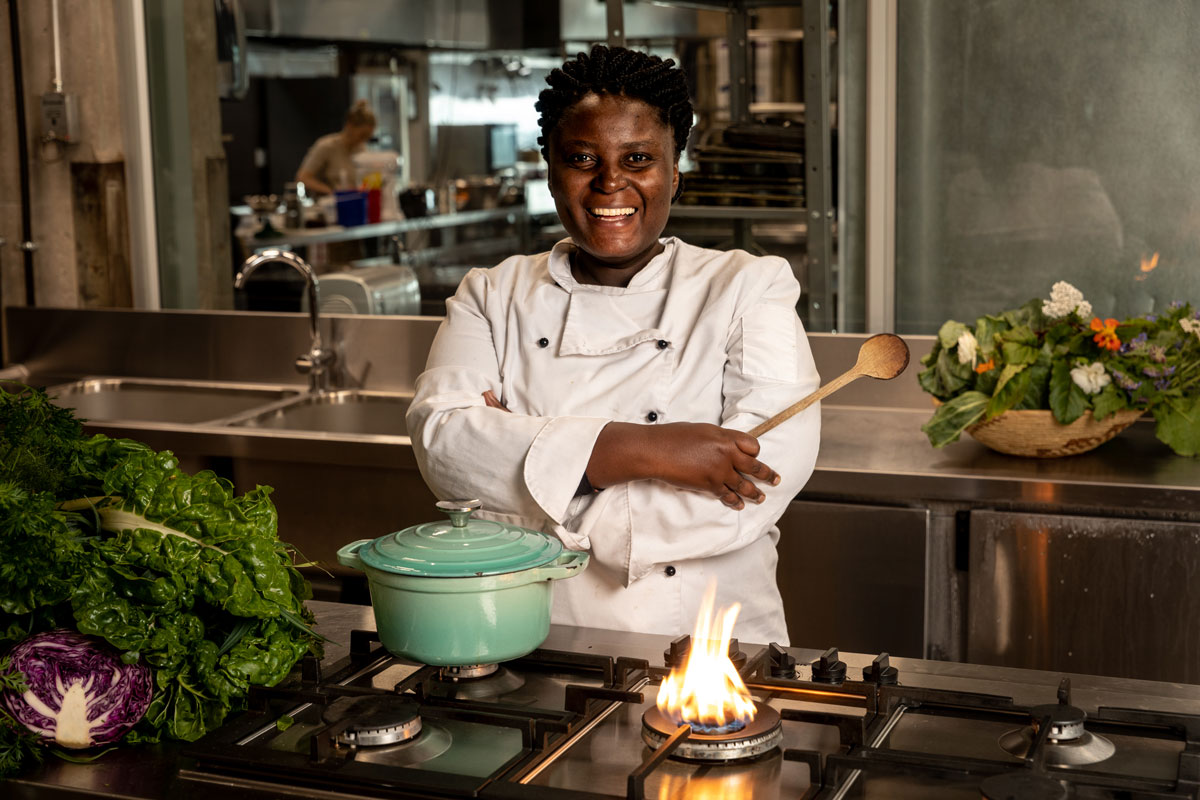
Jane now lives in Cape Town with her family. There, she hosts educational pop-up dinners and is fulfilling her assignment to popularise African cuisine and reframe it in novel ways while respecting its provenance and traditional cooking practices.
ALSO READ: Celebrating South Africa’s heritage through food
Parting shot
“As you dive into these recipes, remember that cooking is an evolving art. Mistakes often lead to the best discoveries, so embrace them. Who knows? You may end up creating your own recipes inspired by unexpected moments, just as I did.”
Styled with incredible detail by Livhuwani Ravele, TAMU is just as much a treat to look at as it’s practical and easy to cook from. It’s a heartfelt gift that echoes the lived experiences of many Africans.
TAMU is published by Prestell in Germany and is yet to hit South African shelves but can be preordered via Wordsworth Books.
X Recipes from TAMU to try
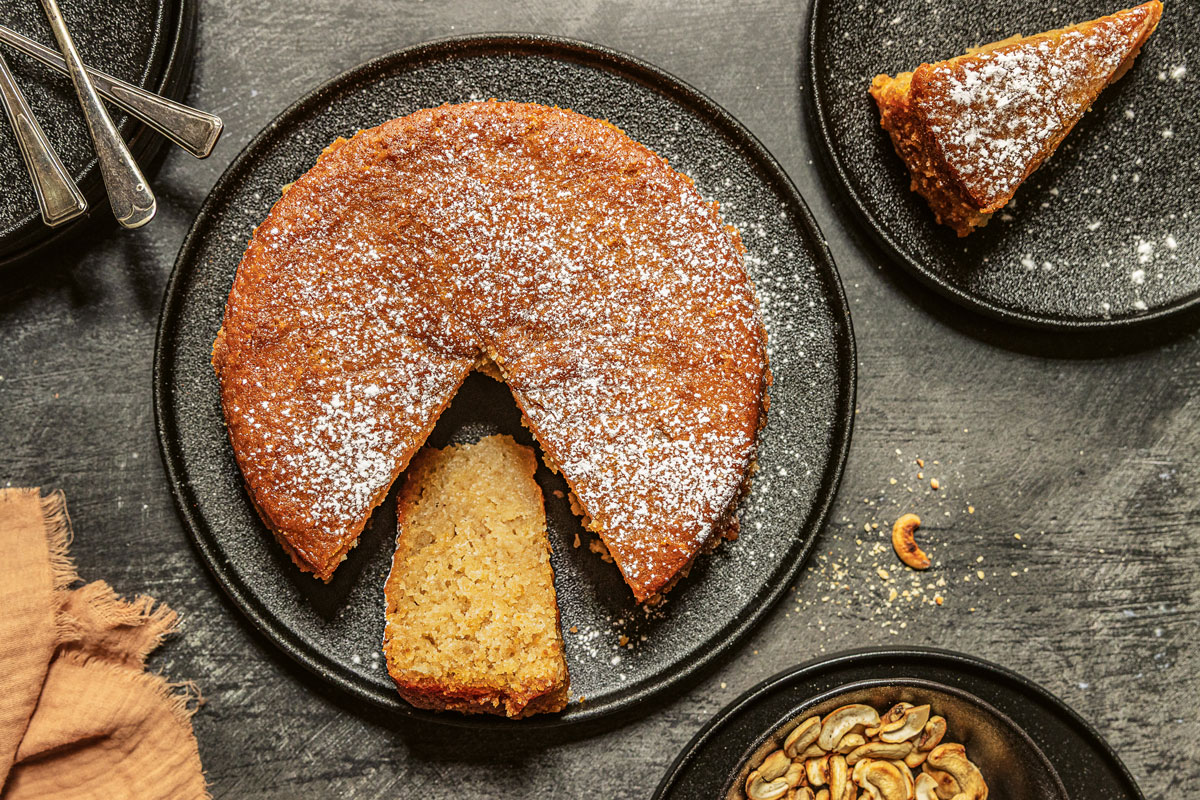
1. Vegan bolo Polana
2. Green banana curry
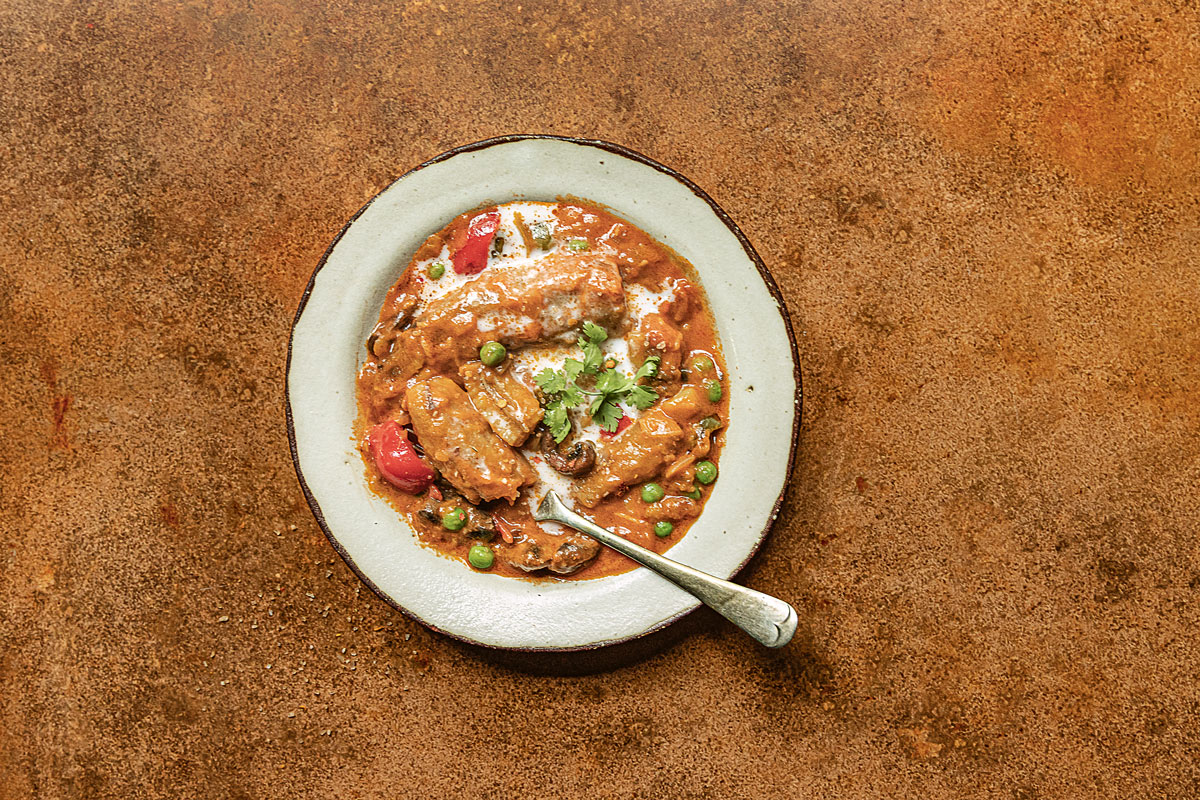
3. Viazi karai (crispy fried potatoes)
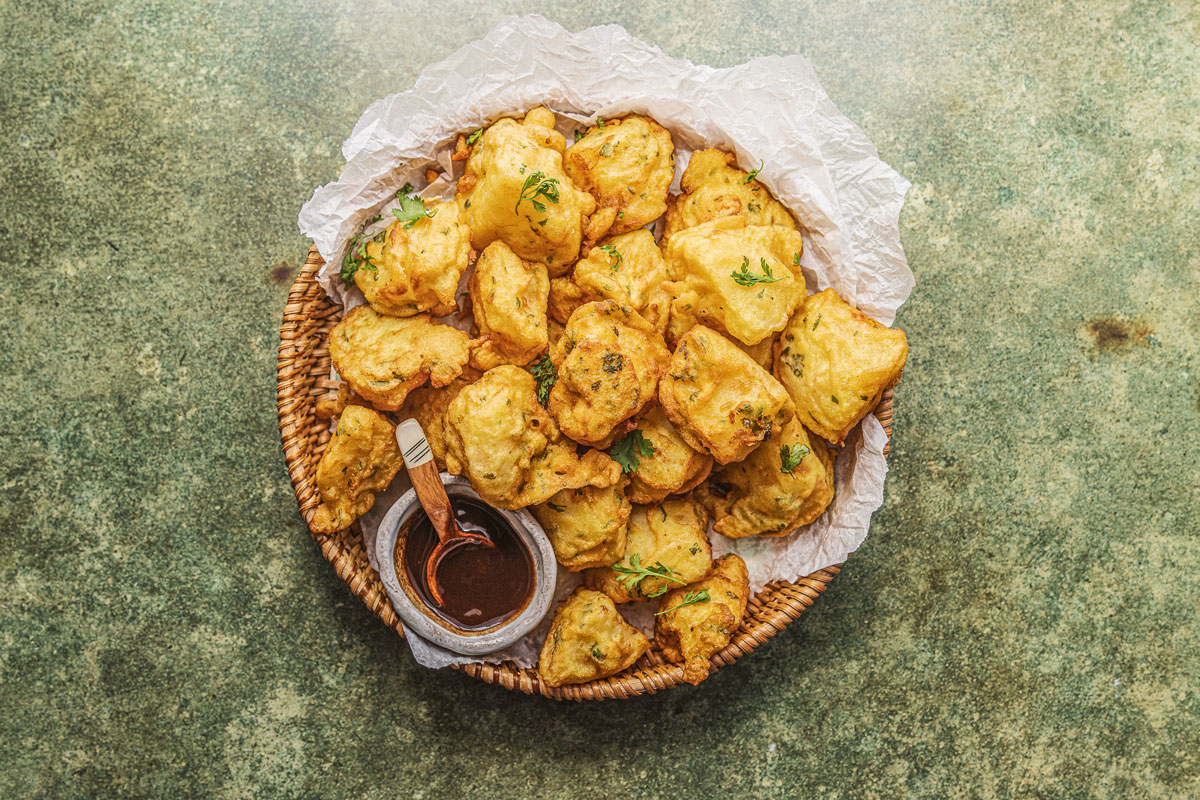
4. Ethiopian platter: tikil gomen (Ethiopian cabbage) and kik alicha (Ethiopian split pea stew)
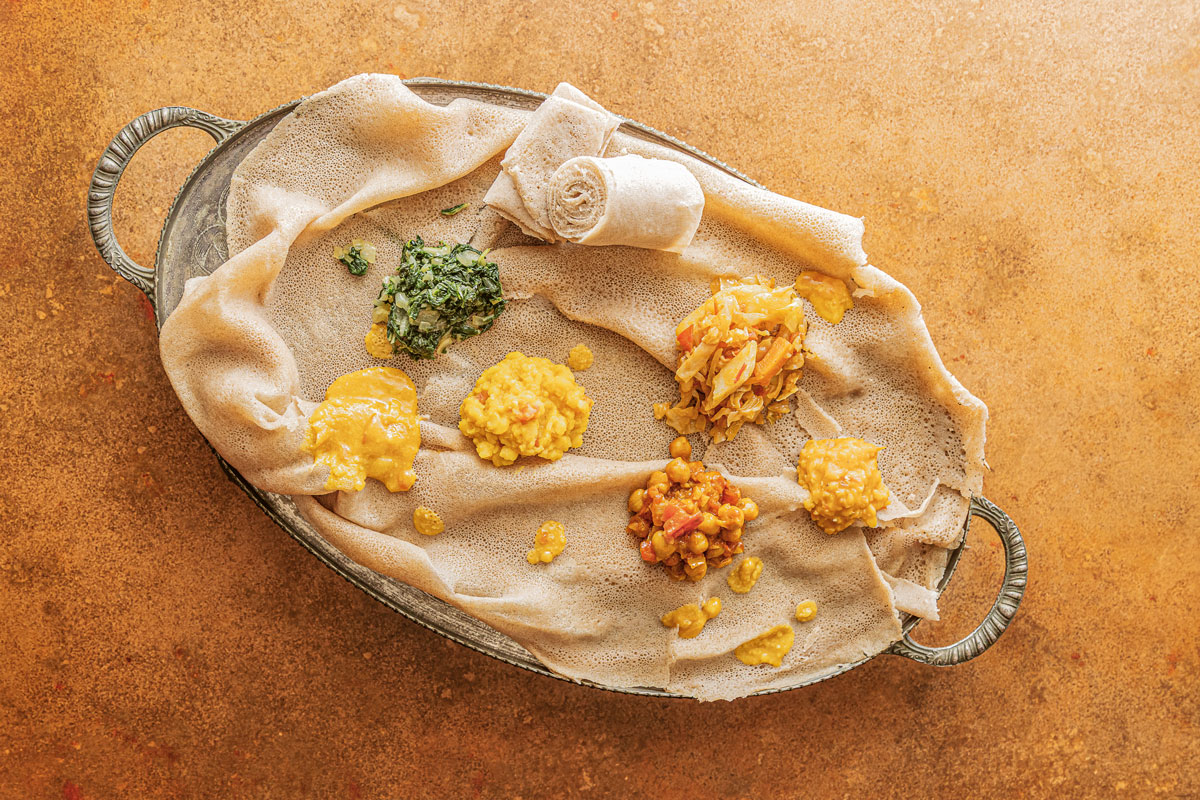
5. Egusi soup (melon seeds soup)
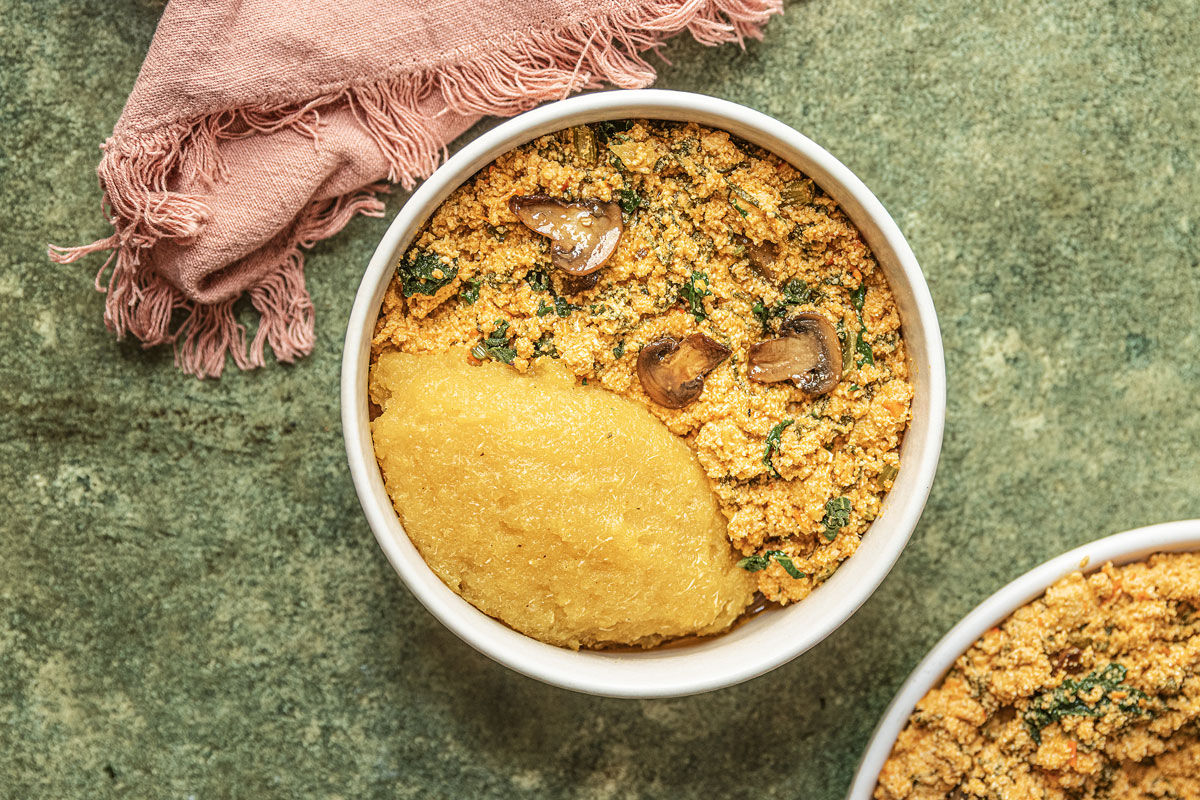
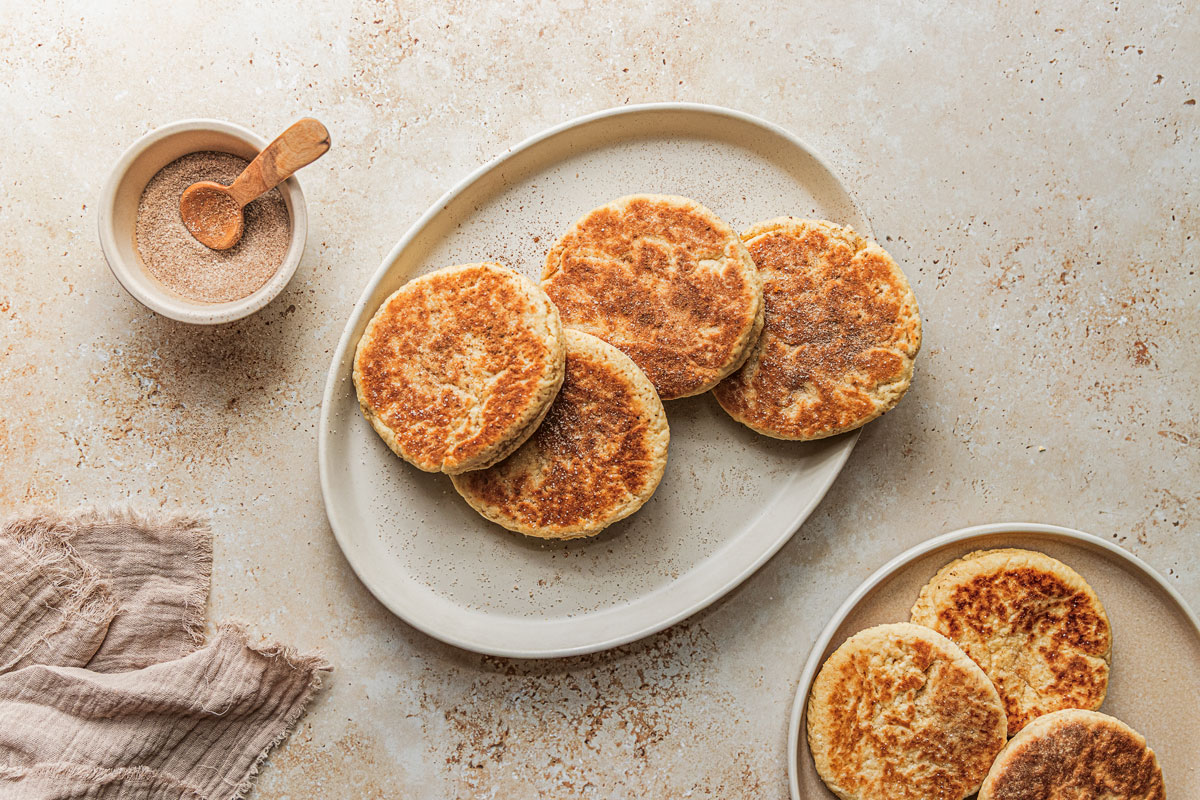
6. Banfora cakes (traditional pastries made from flour and spices)
7. Jollof rice


Comments