
Trending ingredient: matcha
From ancient ritual to a social media status symbol, matcha has evolved from niche drink to on-demand trend. We spoke to Mikayla McClean, owner of Ceremony Matcha Bar to find more about this timeless tea.
Five years ago, ordering matcha at your local coffee shop wasn't a thing. It was barely on anyone's radar, let alone a café menu. But now you can easily order it in South Africa. Plus, Woolworths has started stocking matcha products, and there are even dedicated matcha cafés popping up. According the BBC, and the New York Times, current demand for the product is stretching supplies. Strawberry matcha is blowing up on TikTok, and specialist cafés are popping up all over the world.
We caught up with founder of Ceremony Matcha Bar in Sea Point Mikayla McClean to get her insights into why matcha is trending in the country, what to expect from it and why you should visit her matcha bar.
What is matcha?
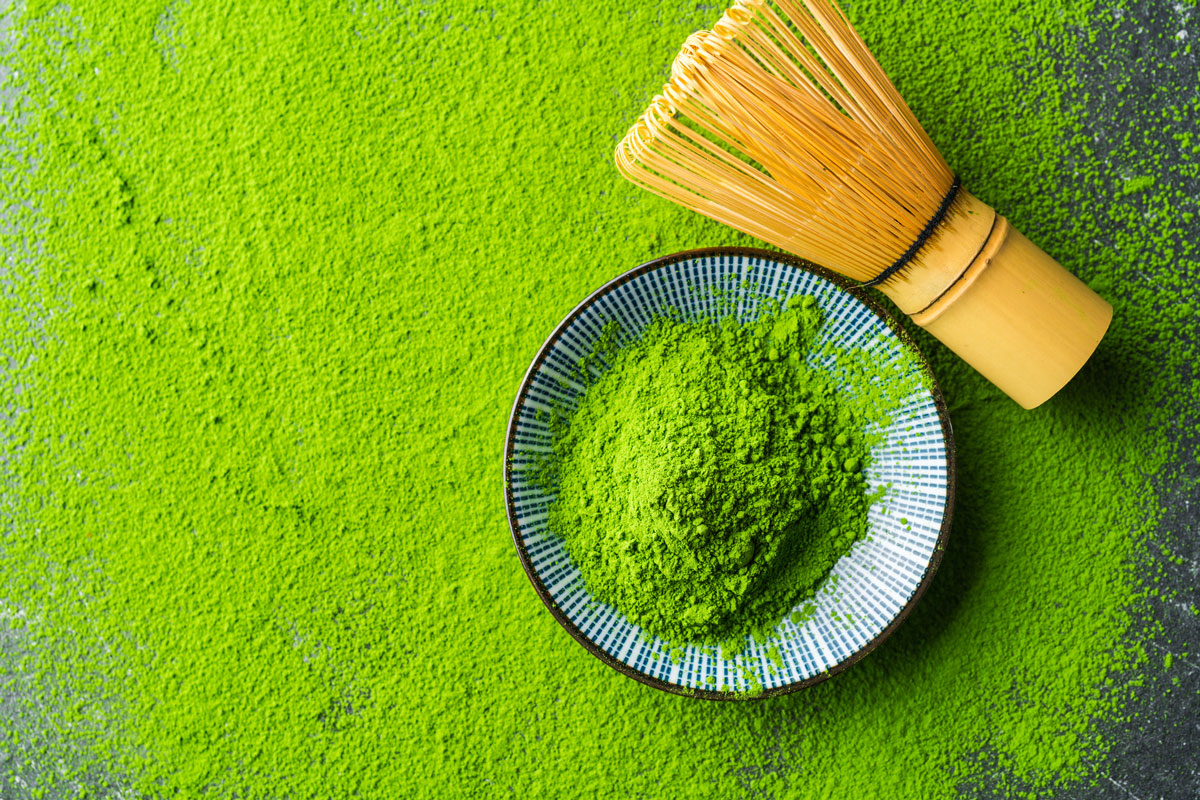
Matcha is essentially green tea. But it's not just any green tea. It's a specific tea that is specially grown and harvested, then ground into a powder. This way, you consume the tea leaves rather than just steeping and discarding them. Matcha originated in China during the 7th–10th centuries, in the period known as the Tang Dynasty. The ritual of making matcha became popular among Buddhist monks as it requires technique and patience.
In the 12th century, matcha was introduced to Japan by a Zen Buddhist monk. He brought tea seeds back to the country after a pilgrimage to China. Today, most high-quality, traditional matcha still comes from Japan. According to Mikayla, each factor of matcha production is carefully considered, similar to the way wine is produced. Ceremony currently sources its matcha from Kagoshima, Japan.
"Different prefectures in Japan have different matcha cultivars. The regions have different soil, which changes the flavour of the matcha. When I taste samples, I focus on taste. I like smooth, creamy, slightly nutty matcha, and after you consume it, there's a sweet aftertaste. That's my benchmark. I've been importing a beautiful grade called Kiwami for the last three years, but it's rare and there's only a certain amount available," explains Mikayla.
The tea's current popularity, especially on social media, has created a high demand for supply and put a strain on the industry. "It's put so much demand and pressure on the matcha industry in Japan. Farms not being able to keep up with the demand has resulted in higher prices and slower turnarounds," says Mikayla.
With the growing demand, we've had to branch out and find similar notes and similar grades that meet the standard. The supplier I work with directly is based in Uji, Kyoto, and they help me find matcha from other regions."
What does it taste like?
"There's a perception that matcha tastes like grass. The latest one, which made me giggle, is that it tastes 'agricultural'. So I say, if it tastes like agriculture, consider us the department of agriculture!" says Mikayla.
View this post on Instagram
The grass comparisons may have a kernel of truth. According to Mikayla, this is because the tea is made from a leaf. It's a concentrated dose of green tea. There's a bitterness to it, but if you're just tasting grass or bitterness, you've mostly likely had a bad matcha. Mikayla says that it's an acquired taste and you can ease yourself into it.
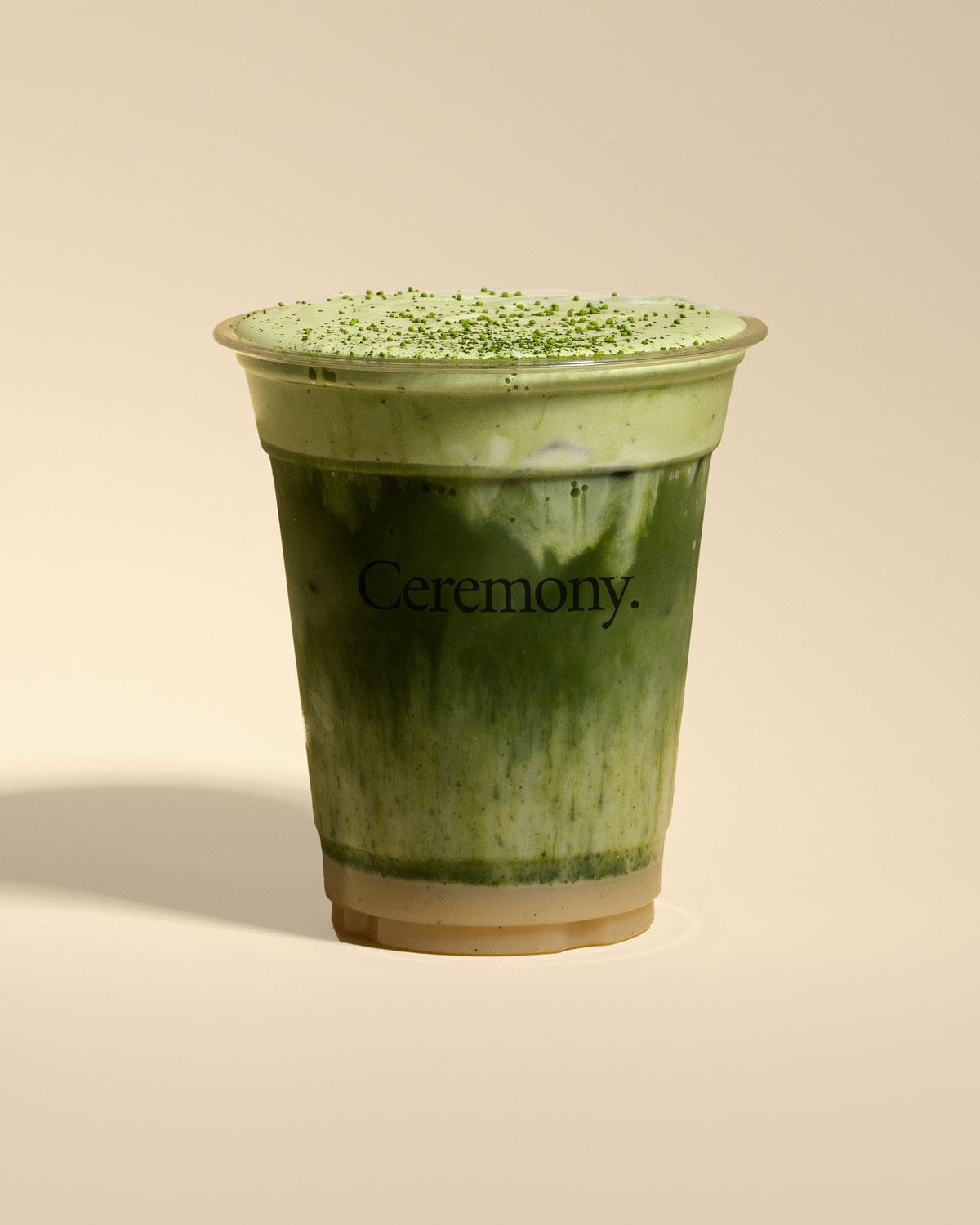
"Can you honestly say the first time you sipped coffee, you enjoyed it? Did you have it with just water, or did you have it with milk, which makes it creamier? Did you add honey? I think how you're consuming it is the first step. I'd recommend first-timers coming to Ceremony have an iced matcha with white chocolate sea salt, so that it's a softer landing. There's a subtle sweetness, but you can still get that rich umami flavour from the Ceremony matcha."
For the people who assume matcha tastes bad without trying it, Mikayla recommends doing some research into what you're buying. "There are many different grades of matcha, so try a few and find what you like. You need to do the research. Look at the cultivars, ask questions, reach out to the brand, see if it has been tested for heavy metals, and if it's certified organic. See what lands for you."
View this post on Instagram
Why is matcha trending?
There's no doubt that matcha's popularity on social media is a big factor in why it's trending. So many people are posting about Japan and all the amazing food there, much of which is matcha-flavoured. Even our very own Khanya Mzongwana made a trip to Japan and shared her experience with our readers. Plus, matcha's vibrant green colour is aesthetic goals, perfect for social media.
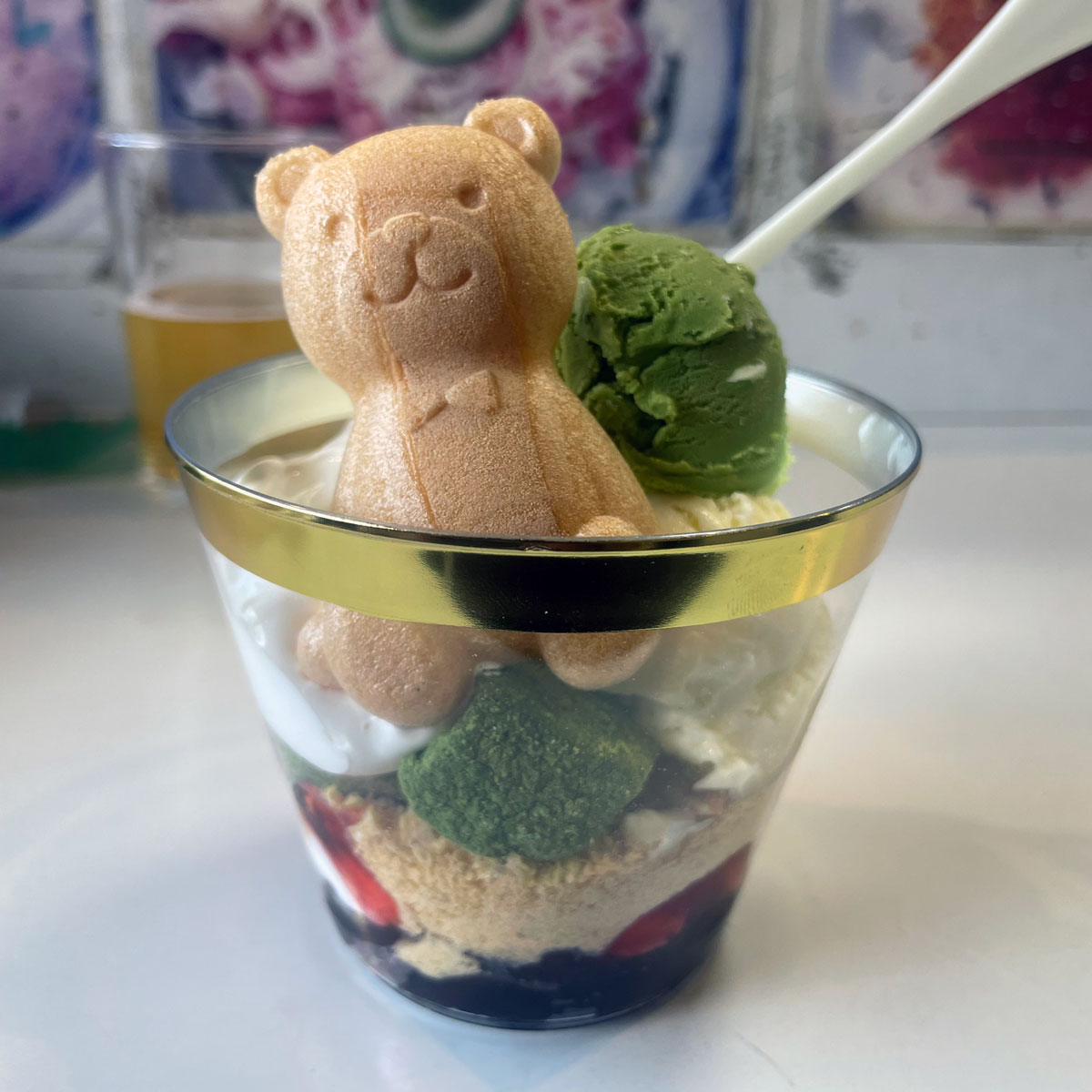
Whether you're having a drink or a matcha-flavoured dessert, it always looks incredible. Thanks to the power of social media and proof of interest in this area, many businesses have opened, offering these highly sought-after items. There are ramen restaurants, convenience stores and more access to Japanese ingredients. So if you can't afford to go to Japan, you can get the food experience.
ALSO READ: Khanya on 10 things I ate in Japan
As to the virality of matcha on social media, Mikayla is cautious but optimistic. "I'm in two minds about it. I do like that it's making us connected. I think especially during Covid, it felt like the only way to connect was through social media, which is a wonderful thing. But I also think that the flip side of that is commodification. There are a number of people who see it on social media, want to try it, and then something subpar puts them off."
Mikayla believes there's more to this trend than just social media. For her, the rise of health and wellness is a big factor too.
"I'd like to think we started our interest in 2022. That was like a reset. I know we had other matchas, but they didn't quite land yet. Maybe South Africa's becoming more health-conscious. It's a great alternative to coffee, especially if you have it without syrup. We're educating the market, and with more matcha brands coming up, there's a snowball effect. I also think that having a green beverage in hand shows that you're health-conscious, proactive and active. I think that it does encourage healthier decisions."
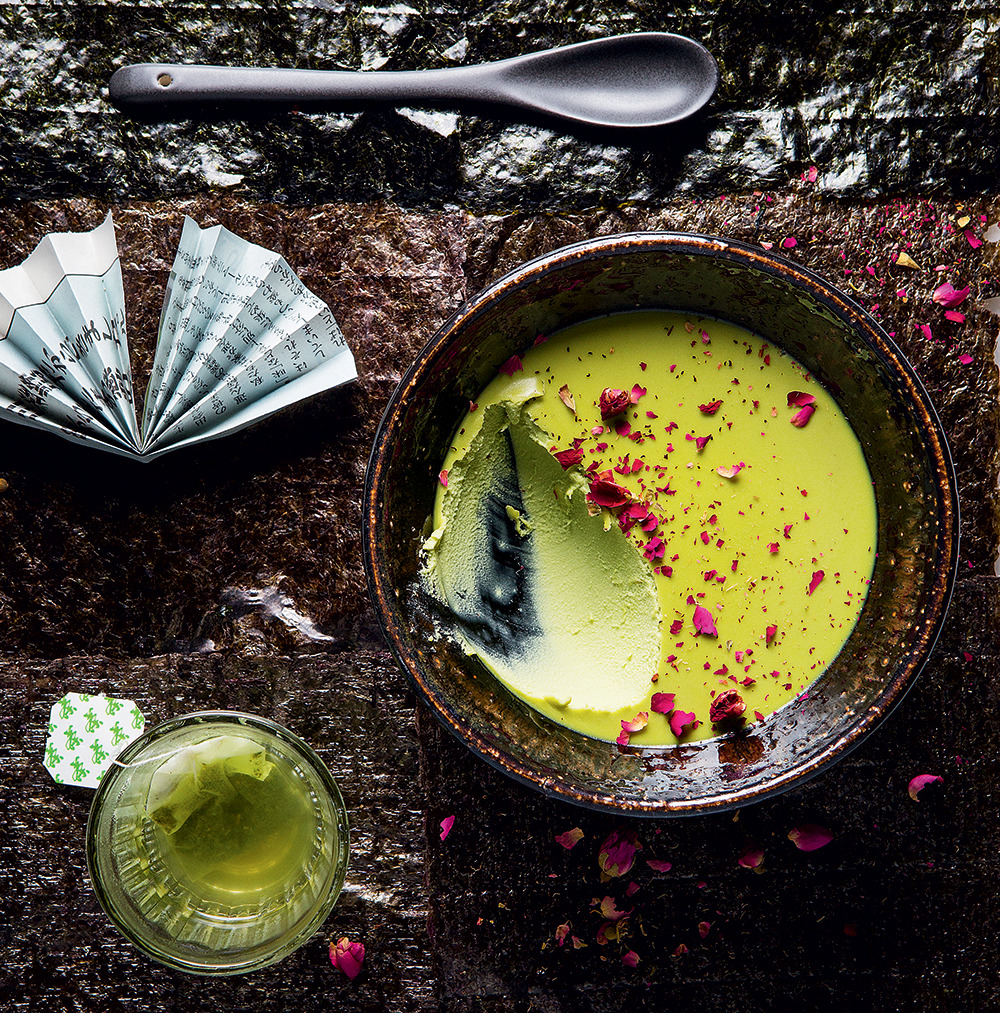
Get the recipe for Abigail Donnelly's matcha panna cotta.
How to make matcha
If you're interested in making matcha at home, Mikayla shared her top tips on how to get a good cup every time.
@wwtaste From ancient ritual to a social media status symbol, matcha has evolved from niche drink to on-demand trend. We spoke to Mikayla McClean, owner of @ceremonysouthafricato find more about this timeless tea. ???????? Search "Trending ingredient: matcha" on taste.co.za or click the link in bio to read more. #foodtiktok #ceremonymatcha #ceremonymatchabar #matcha ♬ original sound - WWTaste
The tools
- Measuring spoon: As mentioned, matcha can be strong, so you don't want to eyeball this. Ceremony uses exactly 3 grams of matcha per cup. You can adjust it to your preference, but measuring the amount of powder each time ensures consistency.
- The bowl: This is also called the chawan. You add the matcha to a bowl rather than a cup to optimise whisking. The wider area of a bowl allows you to whisk more freely and ensures you aerate the powder and water properly.
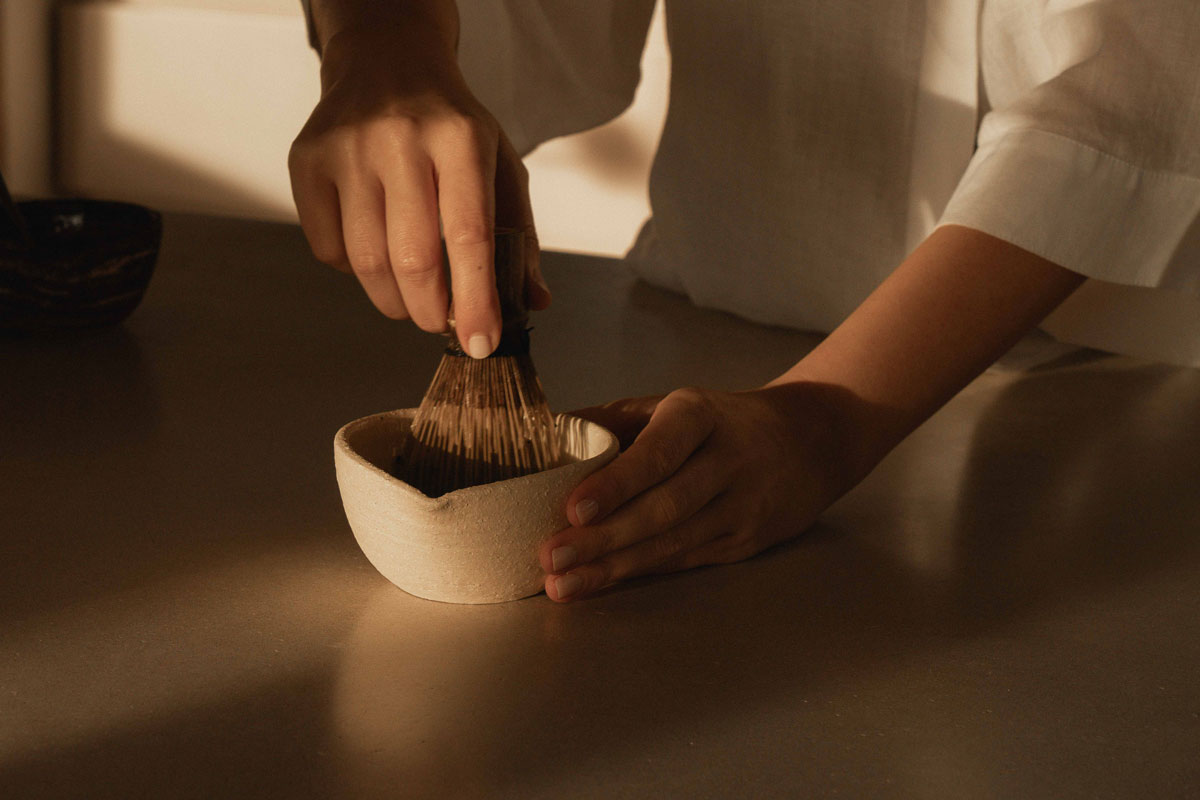
- A bamboo whisk: Also called the chasen. Matcha powder doesn't dissolve in water, so whisking is essential to spreading the particles out properly and getting rid of clumps. If you don't have a bamboo whisk, Mikayla recommends using a hand-operated milk frother.
- A sifter: Using a sifter is optional. It's an extra step to ensure a smooth texture without clumps, but Mikayla says if you whisk properly, you don't really need one.
The technique
- Water: Mikayla recommends using room-temperature water to ensure consistency. Boiling water is discouraged as it will scald the matcha and make it bitter. If you do want to use hot water, make sure it's not hotter than 60–70°C. Note, this is also true for normal green tea.
- Whisking: If you're using a bamboo whisk, soak the whisk in warm water so it opens up. Once the powder and water are added to the bowl, slowly swirl your whisk over the mixture to ensure all the powder is covered in water. Then slowly start mixing in an "M" or "Z" shape. You don't have to use too much pressure – Mikayla says it's better to whisk faster than harder. You should whisk for 30 seconds to a minute.
- Finishing touches: Once your matcha is well mixed, it should be frothy. Now you can have it anyway you like. Pour the mixture into milk (hot or cold). Add sweeteners to your preference. Drink as is, if you'd like. It's all up to you.
Ceremony Matcha Bar
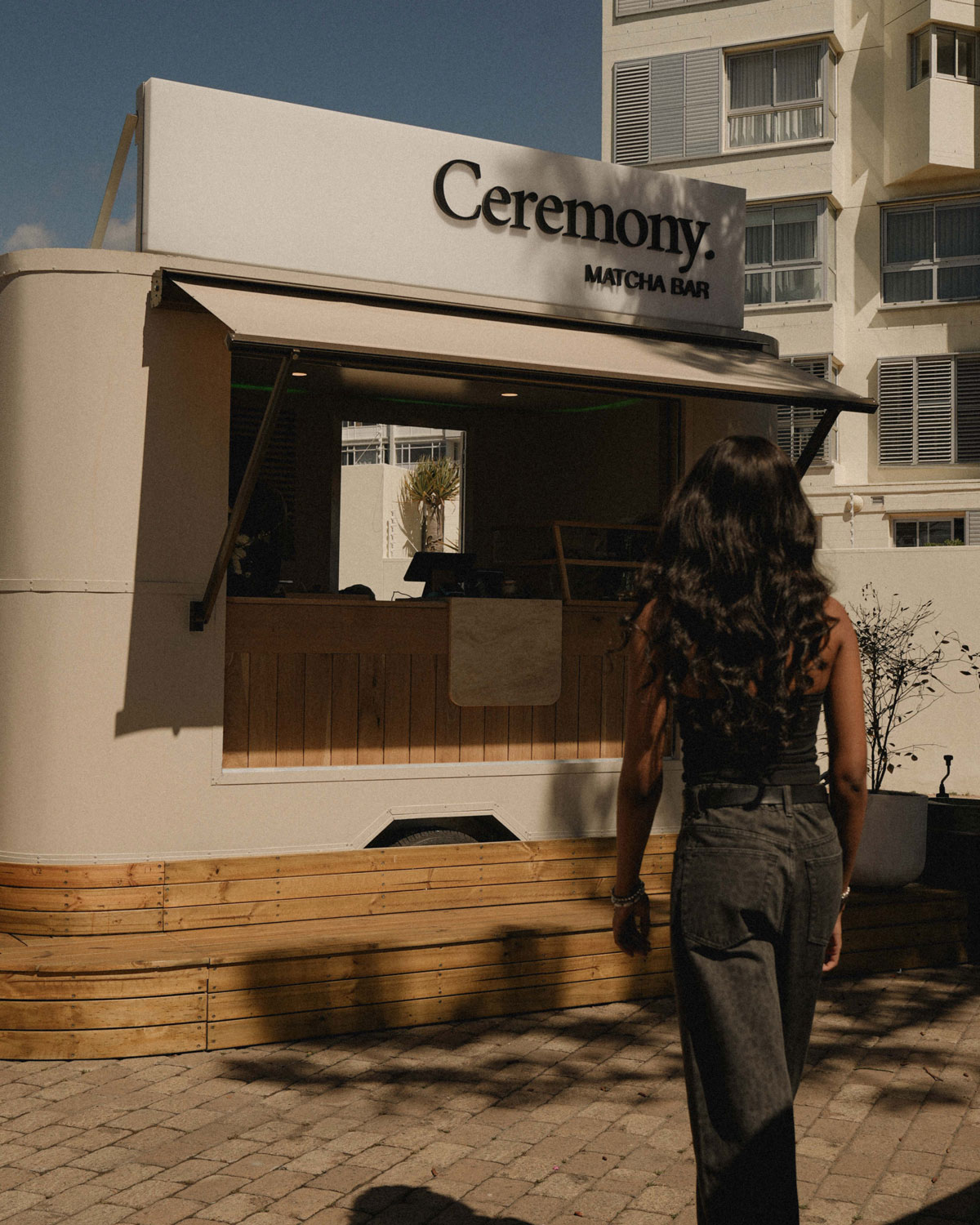
Before Ceremony Matcha Bar, there was Ceremony Matcha. Mikayla founded it in 2022, as a supplier of matcha in SA. The matcha bar was a natural evolution. For Mikayla, matcha and the ritual around it are all about slowing down, taking a moment for yourself and finding joy. This is why she named it Ceremony.
"If you look at the traditional tea ceremony, it's slow, considered, quiet. If we can encourage people to make daily rituals of things that help them slow down, come back into the present moment, I feel like we've done our job. We also use ceremonial-grade matcha, which I think is a beautiful alignment."
Everything about the matcha bar is simple and elegant. The menu is short but impactful, allowing you to build matcha the way you like. There are other items on the menu too, including food with a Japanese element. The food menu was created by chef Kira Jacobs. It features white chocolate matcha cookies that are a firm favourite, and togarashi cubes, which are delicious scones that are best enjoyed warm.
Find Ceremony Match bar in Sea Point, along the Promenade. 213 Beach Road, Sea Point
Photographs: Her Studio/Candice Bodington/Getty images


Comments