
Functional drinks explained: 3 types that can give you a boost
If you’ve noticed a lot of wellness claims in the drinks aisles of supermarkets lately, you’re not alone. The market for so-called functional drinks is growing by the day – but what exactly is a functional drink?
Over the last decade, we’ve seen a massive increase in the production and consumption of “functional drinks” sold in grocery stores. To give you an idea of the scale: NielsenIQ reports that sales of functional beverages in the US increased by 54% (to a whopping US$9.2 billion) between 2020 and 2024.
But what exactly are these drinks, and what benefits can they offer?
Functional drinks, defined
Erica Jankovich, a registered dietician with a focus on gut health, explains: “Functional foods are foods that provide health benefits beyond basic nutrition due to the presence of certain bioactive components such as probiotics, prebiotics, omega 3s, polyphenols, etc.” (FYI: polyphenols are chemical compounds, found in certain plant foods, that have antioxidative and anti-inflammatory properties.)
She continues: “Functional drinks are the same concept but delivered in liquid form, offering benefits beyond hydration and normal nutrition, perhaps with added bioactive compounds such as certain amino acids, plant extracts, vitamins, etc.”
Based on this, functional drinks could include, for example:
-Drinks with pro- and prebiotic properties such as kombucha, kefir and yoghurt drinks
-Protein shakes or smoothies
-Fresh/raw juices high in fruit and veg
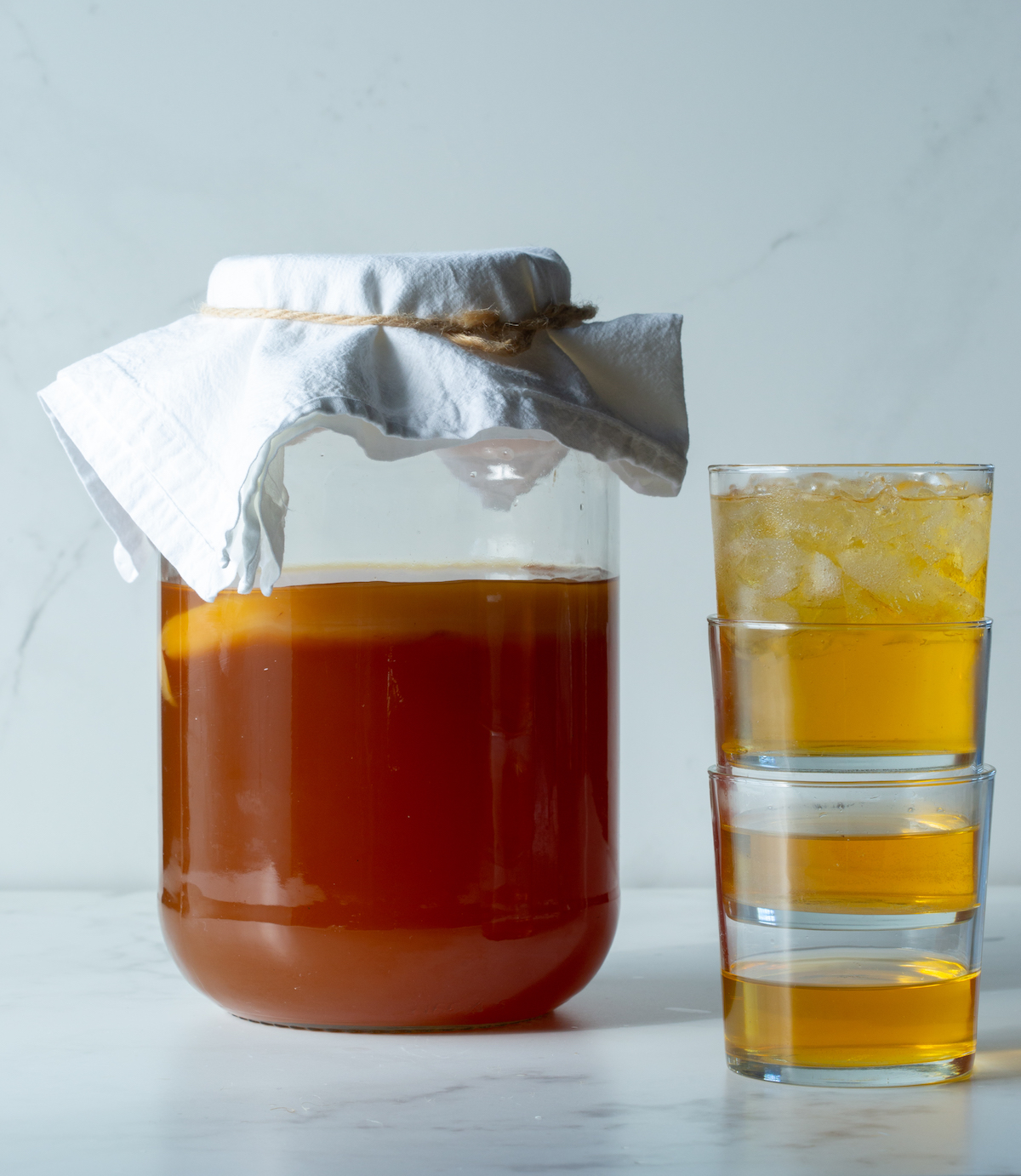
READ: How to make kombucha
The big question: do functional drinks work?
There’s a lot of noise out there in terms of drinks with benefits, but what do the experts say?
-
Fermented drinks:
Carey Seady, a registered dietician based in Cape Town, feels that naturally fermented drinks such as kombucha are beneficial for the gut, but cautions that kombucha can be susceptible to mycotoxins if mould contaminates it. “To be safe and avoid contamination, buy store-bought kombucha that has been pasteurised.” On the subject of kefir, Carey says: “It’s good for pre- and probiotics and particularly helpful for people who have IBS (irritable bowel syndrome).”
-
Protein drinks:
“I would save these for people who are training hard and wanting to gain lean muscle mass, or aid in recovery after a workout,” advises Carey. “A pure whey protein shake can work well as a recovery drink after a workout, but you need to consume it within 30 minutes of your workout when your muscles are most able to recover and benefit.” She says this type of drink can also be useful if you’re struggling with low appetite and need a protein replacement shake.
-
Raw/fresh fruit and veg juices:
For Carey, the benefits of fresh veg and fruit juices lie in the fact that they are useful meal replacements on days when, for whatever reason, you know you’re not going to be able to get your daily amount of fruit and veg. She cautions, however, that diabetics should avoid juicing as it will spike their blood glucose levels.
As for the ginger in ginger shots: “Yes, there is some evidence that it helps combat nausea, in pregnant women for example, and that it is anti-inflammatory. However, not everyone should be drinking loads of juiced ginger, especially not people with gastric issues, such as gastric ulcers, gastritis, IBS or gastric reflux. In those cases, raw ginger could actually inflame the stomach,” Carey warns.

READ: What to eat and drink before, during and after a marathon
Where does that leave us?
Erica is of the opinion that “the term functional food is used too loosely by the man on the street – a proper functional food/drink has to abide by very strict regulations”. Furthermore, the “mechanism and action of their usage should be supported by robust clinical evidence”. Bottom line: know your source and purchase from vendors who abide by the country’s food safety regulations.
Overall, Carey feels strongly that it’s best not to place your faith in one item or functional drink to do the heavy lifting. “For me, it’s important that you look at your lifestyle holistically – are you drinking enough water, do you follow the Mediterranean diet and eat lots of fruit and veggies, healthy fats and lean proteins. Shakes and shots and smoothies are not the silver bullet people think they are.”
Experts:
- Erica Jankovich is a registered dietician, contact her at eatfitsa.com.
- Carey Seady is a registered dietician, contact her at careyseadydietitian.com.


Comments