
Calçotadas: What to know about Catalonia’s tasty vegetarian barbeque tradition
This is how a smoky Catalan ritual redefines open-fire cooking and what South Africans can learn from it
Every weekend from mid-January to April in the autonomous region of Catalonia in Spain, families and friends flock to the countryside to participate in the tradition of the calçotada. The calçotada is a festive communal event that originated in the town of Valls, Tarragona, and is centred around the humble but beloved calçot.
What is a calçot?
A calçot is a type of green onion that resembles a leek and tastes like a sweet, smoky cross between a spring onion and a charred shallot.
The preparation is part of the ritual. Calçots are grilled over an open flame until their outer layers blacken and blister. Once charred, they’re wrapped in newspaper to steam, softening the inside, then served in generous bundles. To eat them the proper, traditional way you start by putting on a bib, then peel away the sooty exterior of the calçot, dip the tender core into romesco sauce, and lower the long onion into your mouth like a sword swallower at a fair.
@dailycatalan La Gran Festa de la calçotada de Valls is an annual event that marks the beginning of calçots season✨ T’agraden els calçots? #calçots #valls #calçotada #catalan #catalanculture #catalonia ♬ Souvenir De Paris - Martin Taylor
Romesco varies from house to house. Some add hazelnuts, others almonds. Some include nora peppers. It’s a recipe with as many versions as there are Catalan grandmothers. “Just like with many traditional recipes, even if you follow the same steps and use the same ingredients, the flavour can vary depending on the family and the quality of the ingredients,” say Andreu Font Bastos and Stefania Talento, the foodie duo who founded In and Out Barcelona in 2012 as a definitive guide to the best food around Barcelona and beyond. “Each household adds its own personal touch, like using less garlic or a different type of tomato.” The Catalan variation of romesco, salvitxada, is made using charred tomatoes, roasted red peppers, toasted almonds, and bread, all enhanced with raw garlic, vinegar, and a touch of chilli.
Things might get a little messy, but that's the point. It’s all about embracing the chaos. You come, you tie on your bib, drink cava, red wine or vermouth, and get your hands dirty. “Eating calçots isn’t meant to be a neat or formal experience,” says Clara Griffiths of The Origin of Food, a Barcelona-based food guide and dinner experience curator. “It’s a joyful, communal ritual where the messiness brings laughter, conversation and a sense of celebration.”
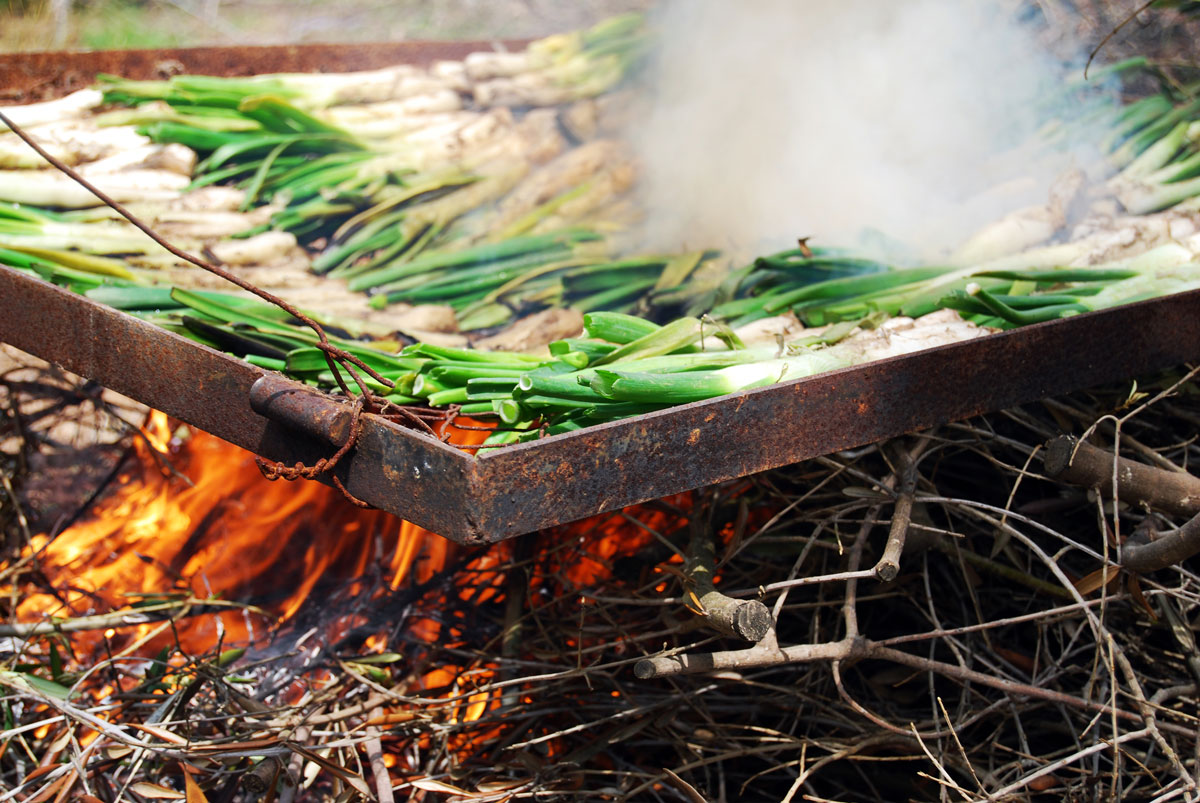
“The calçotada feels like a festive and chaotic cousin of the braai,” says South African expat and calçotada enjoyer Dylan Godfrey, who now lives in Barcelona. “Calimochos [the Spanish equivalent to the South African-Portuguese katemba], romesco sauce, black-stained hands, charred calcots and the occasional wild boar sighting are some of my favourite calçotada moments.”
A meat-free braai? Yes, please!
For South Africans exploring more plant-based eating, the calçotada offers an inspiring model. With its fire-cooked simplicity, focus on seasonality and convivial energy, it proves that a braai doesn’t need to revolve around meat.
For South Africans exploring more plant-based eating, the calçotada offers an inspiring model. With its fire-cooked simplicity, focus on seasonality and convivial energy, it proves that a braai doesn’t need to revolve around meat.
Want to try it at home? While calçots themselves are tricky to find outside Spain, spring onions or baby leeks make great substitutes. Grill them whole until charred and blistered, then serve with this classic romesco recipe. Pair with fire-roasted red peppers, grilled artichokes and a bold red blend. For a sweet finish, try crema Catalana, the Catalan cousin of crème brûlée.
Here’s your plant-based braai starter pack:
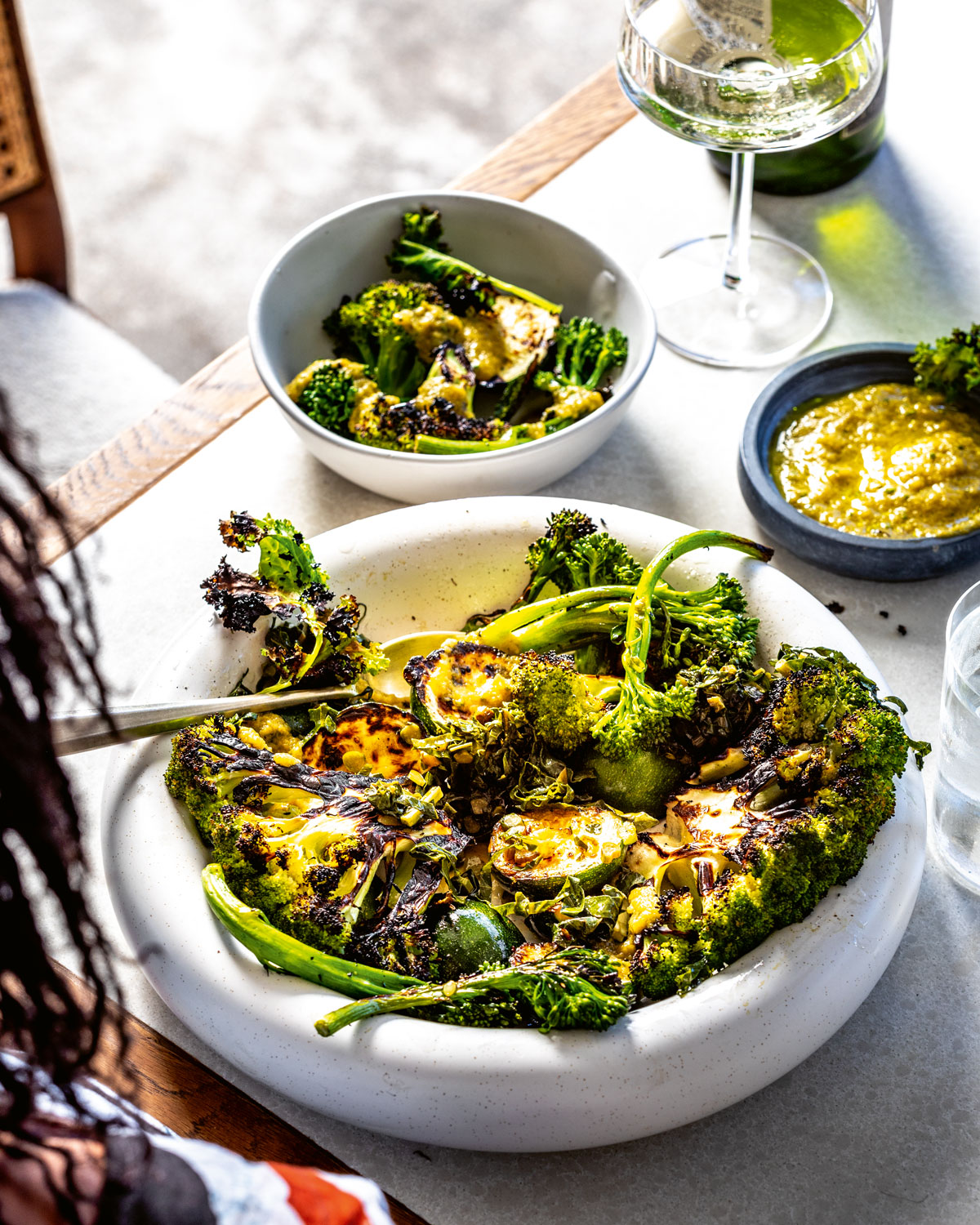
- Romesco sauce for dipping charred veg
- Chargrilled broccoli or braaied Tenderstem broccoli and halloumi
- Pickled braaied mushrooms
- Braaied tomato and bulgur wheat salad or braaied cabbage salad
- Braaied mielie atchar
As the calçotada season draws to a close each spring, the shared memories linger. There’s a collective understanding that what just happened was about more than just calçots. “Apart from the food itself and how special the meal is for us, what truly makes a calçotada unique is the social side, usually enjoyed outdoors, whether at a restaurant or a countryside barbeque, but always the perfect excuse to join your people,” say Andreu and Stefania.
You came for the food, but you stayed because it felt like home. And in that sense, whether it’s a braai in Bloemfontein or a calçotada in Catalonia, the sentiment is the same: gather your people, light the fire, and let the good things happen around it.
Photographs: Getty images | Amiplim | Laia Solanellas and Toby Murphy


Comments