
What to eat and drink before, during and after running a marathon
You’ve been training for months for a marathon, plus making sure you’re eating properly to get the best performance. The last thing you want to do is fumble the ball on race day! To make sure you eat correctly, we consulted a registered dietician for top tips on what to eat and drink to perform at your best.
Congrats! You're one of the remarkable humans who followed through on your commitment to run a marathon. Regardless of what distance you're running or how you perform, you've already gained aura points by participating. To help you run your best, we've enlisted the help of Woolworth's nutrition manager and registered dietician Cindy Chin.
Before we get started, here's an important disclaimer: you've been training for this marathon for a while, and have most likely found a nutrition strategy that works for you. Don't experiment on race day. Stick to what you've been doing. These tips are simply a guide to help you prep and recover well. Bonus: our head of people and avid marathon runner, Rushda Scott, (she's run the Cape Town marathon eight times and the Comrades marathon three times!), shares her recommended snacks for race day:
@wwtaste Our head of people and avid runner Rushda’s marathon fuel? Woolies snacks! Here’s what she’s packing to power through the Cape Town Marathon this weekend. Wish her luck in the comments! (She’s gonna carry the boats!) #foodtiktok #capetownmarathon #marathonrunner#MeetMeAtWoolies #wooliesfinds #woolies ♬ original sound - WWTaste
What to eat on the morning of a marathon
Hydration is vital, and that means water. Cindy's rough guide is 5–10 ml per kg of body weight or 400–500 ml in the two hours before the start of a race. You don't have to stick to just water. Cindy says fluids containing a combination of electrolytes and other nutrients are an option too, including dairy drinks, smoothies, fruit or vegetable juices, or water with an electrolytes sachet.
She also recommends eating a light carbohydrate-rich snack one to four hours prior to the start of the race for a last glycogen top-up. Her recommendation is 1–4 g carbohydrate per kilogram of body weight. Aim for low-fibre options, such as white bread or flapjacks with banana and honey, peanut butter and syrup on white toast, cereal and milk, a banana smoothie, or flavoured milk and toast. Most importantly, ensure you've tested the food you eat during training so you know how your body will feel after eating it.

What to eat during the race
The carbs keep coming! Cindy says that carbohydrates are the body’s preferred source of fuel during exercise. These are broken down into glucose and stored as glycogen in your liver and muscles, and used by the body to provide energy during the race. The faster you go, the sooner your stores become depleted. Start taking in some nutrition in the first 30 minutes of the race. Cindy's recommendation is to consume around 30–60 g of carbohydrates per hour for the first three hours of the race to prevent muscle fatigue, and then increase it to 60–90 g per hour thereafter.The source of the carbohydrates is up to you, but they should be from food options that are easy to digest, with minimal fat, fibre and protein, as these nutrients slow down digestion.
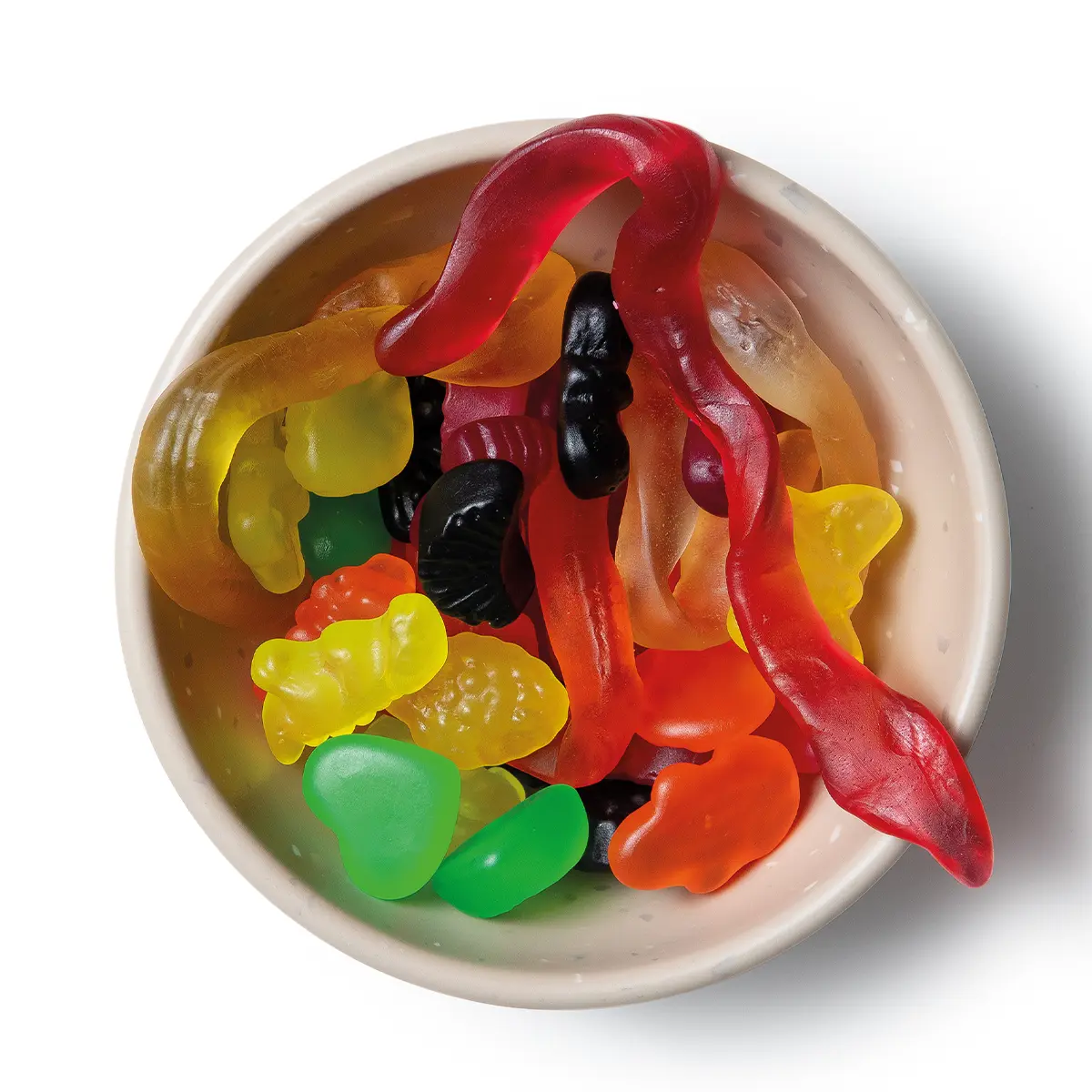
Suitable choices include sports drinks, energy bars, gels, bananas and sweets like jelly babies. Cindy advises that you read the labels of food items for the carbohydrate content. A note of warning: taking in too much energy and over-hydrating can lead to cramping, stomach upsets and low blood sodium (salt) levels.
It's also important to stay hydrated. Recommendations for fluid intake vary from 300 to 800 ml per hour, depending on the temperature, the altitude, the race duration and intensity, and also your thirst and how much you sweat. Most runners lose between 400 ml and 2 400 ml per hour.
READ: How to manage your hydration levels
What to eat after the race
Well done on completing the race! (We're assuming you're coming back to this paragraph after the race...) Cindy says that nutrition is critical for recovery, and remember that excessive alcohol intake after a race is not recommended due to its diuretic effects. So take it easy. It's recommended that you eat and drink within 30 minutes of finishing to help replenish your depleted glycogen stores. You should have a carbohydrate-rich snack (about 1 g carbohydrate per kilogram of body weight) with fluids to help optimise recovery. "Add approximately 20–25 g of high-quality protein to help repair those muscles, too! Include salty foods or fluids that contain sodium, potassium and magnesium to replenish these electrolytes," says Cindy.
Her recovery snack options include:
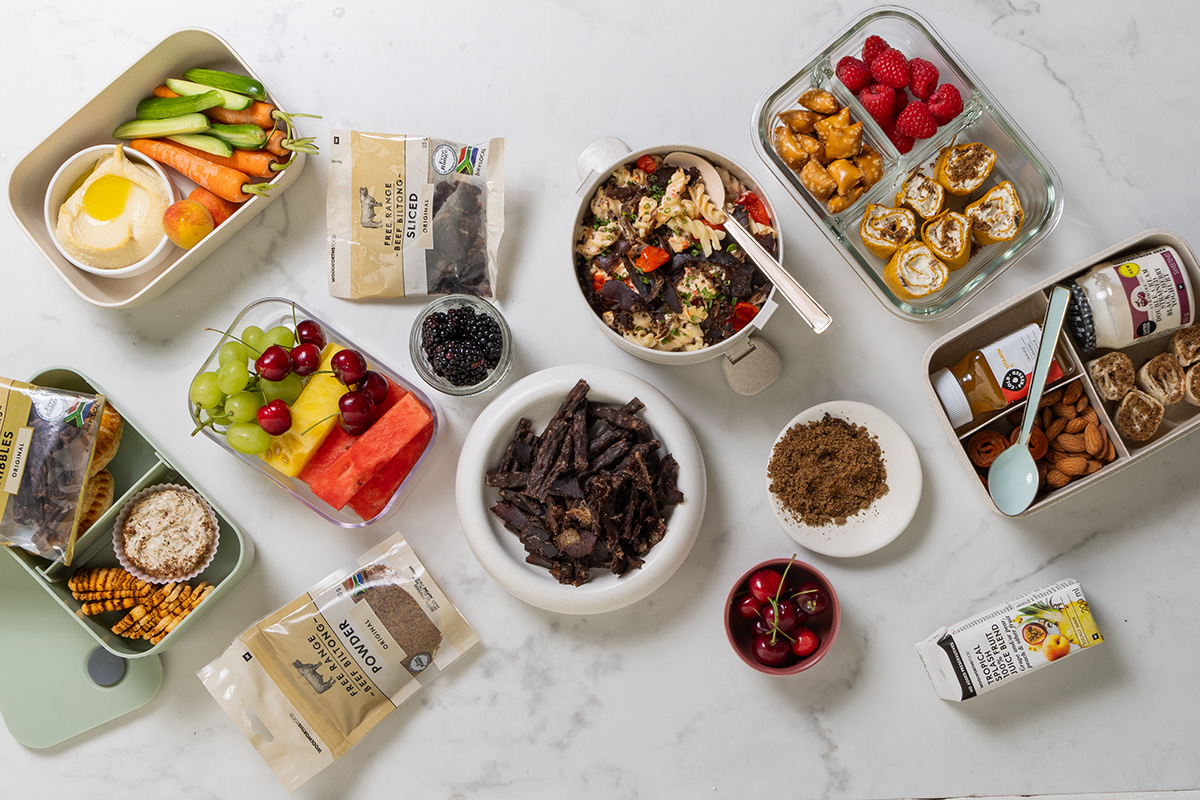
- Flavoured milk or drinking yoghurt + fruit + biltong
- Smoothie + grain/cereal-based bar + boiled egg
- Dairy-free smoothie + grain/cereal-based bar + salty nuts
- High-protein drink + grain/cereal-based bar
- Seeded toast + nut butter or cottage cheese + honey
- Sports recovery shake
Cindy says that you should eat a meal within two hours after the recovery snack. The amount will depend on your personal needs.
Check out these smoothie suggestions.


Comments