
What’s the deal with nitrates?
You’ve heard of nitrates (you may even be scared of nitrates), but what are they really and should you avoid them at all costs? We went hunting for some facts.
In a world where some new alarming fact about food (and the food industry) drops every day, it pays to distinguish between facts and fiction: and the same goes for the question of nitrates in food.
What are nitrates – and are they any good?
Simply put, a nitrate is a chemical compound made of nitrogen and oxygen. The important distinction lies between nitrates that occur naturally (in the air, water, soil and certain vegetables) and nitrates that are added to processed food as a preservative.
“Nitrates occur naturally in many vegetables we commonly eat in South Africa,” explains Lauren du Toit, a registered dietician based in Durbanville. These include vegetables like morogo (traditional leafy greens), spinach, lettuce, cabbage and beetroot.
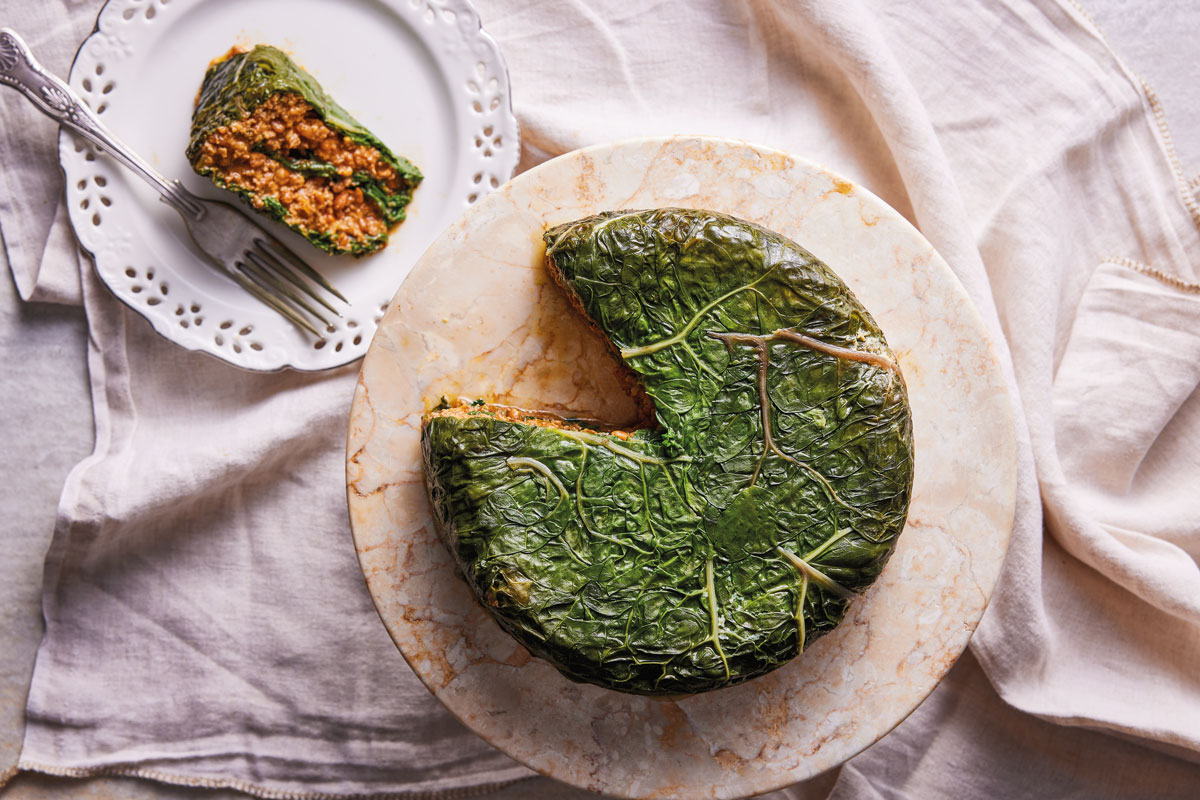
“These naturally-occurring nitrates from vegetables can actually support good health,” advises Lauren. In the body, these nitrates are converted to nitric oxide, which helps improve blood flow, support healthy blood pressure and support physical performance and stamina – to name a few benefits.
Added nitrates, however, are a different story. In the food industry, added nitrates are used specifically in processed and cured meats (like bacon, polony and other ‘deli meats’). The function of these nitrates is to preserve the meat and prevent the forming of harmful bacteria.
The concern comes from the chemical changes these compounds can undergo during processing and cooking. “In processed meats, nitrates can form substances called nitrosamines, especially when cooked at high heat – like frying bacon,” says Lauren. And some nitrosamines have been linked to an increased risk of cancer. In fact, the World Health Organisation has classified processed meat as carcinogenic to humans, with several studies linking regular consumption to increased risk of bowel cancer especially. The increased risk of cancer from high processed meat consumption is possibly also due to other factors in these meats, such as the saturated fat and high salt content, as well as compounds formed when they are smoked or charred.
Should we avoid all added nitrates altogether?
You don’t necessarily need to give up your weekly bacon croissant or mortadella sarmie just yet – but you should definitely not be eating processed meats every day.
Says Lauren: “It’s realistic to include foods like bacon at a weekend breakfast, or polony and ham occasionally. But relying on processed meats daily – especially as a main protein source – is not ideal for long-term health.”
This is of particular relevance in a country like South Africa, where foods like polony, Russians and viennas are not only affordable, but very much part of our culture. “It’s important to be aware of how frequently they’re consumed,” warns Lauren.
The key, as with most food and dietary advice, is moderation. Lauren believes it’s important to balance these processed foods with other sources of protein such as chicken, fish and eggs, and plants like beans and lentils.
ALSO READ: The lowdown on processed food
It’s worth noting (and herewith a PSA for bacon lovers) that Woolworths stocks smoked back and streaky bacon made without any added nitrates. Woolies is the only retailer in South Africa with these products on shelf. On the question of why they’re labelled as “made without added nitrates” and not nitrate-free, product developer Truitjie van Rooyen explains that meat naturally contains small amounts of nitrates, so the product can’t legally be called “nitrate-free”. The range was brought to life because Woolies recognised the need for a no-added-nitrate option among certain consumers.
How do we get the good nitrates?
So, what can we eat? Bring on the leafy veg! As mentioned, morogo, spinach, cabbage, lettuce and beetroot are high in natural nitrates. But the list doesn’t end there: it’s also a good idea to include rocket, kale and herbs such as dill, parsley and watercress in your diet. Lauren suggests adding leafy greens to soups and curries, bulking up wraps and sarmies with lettuce, snacking on celery (with a dip like hummus or cottage cheese) and going big on beetroot as a side or salad.
Looking for inspiration? Try these three recipes
1. Caramelised butternut-and-beetroot salad
Loaded with both roasted beetroot and handfuls of watercress, this salad of caramelised butternut-and-beetroot is brimming with natural nitrates and bright flavours
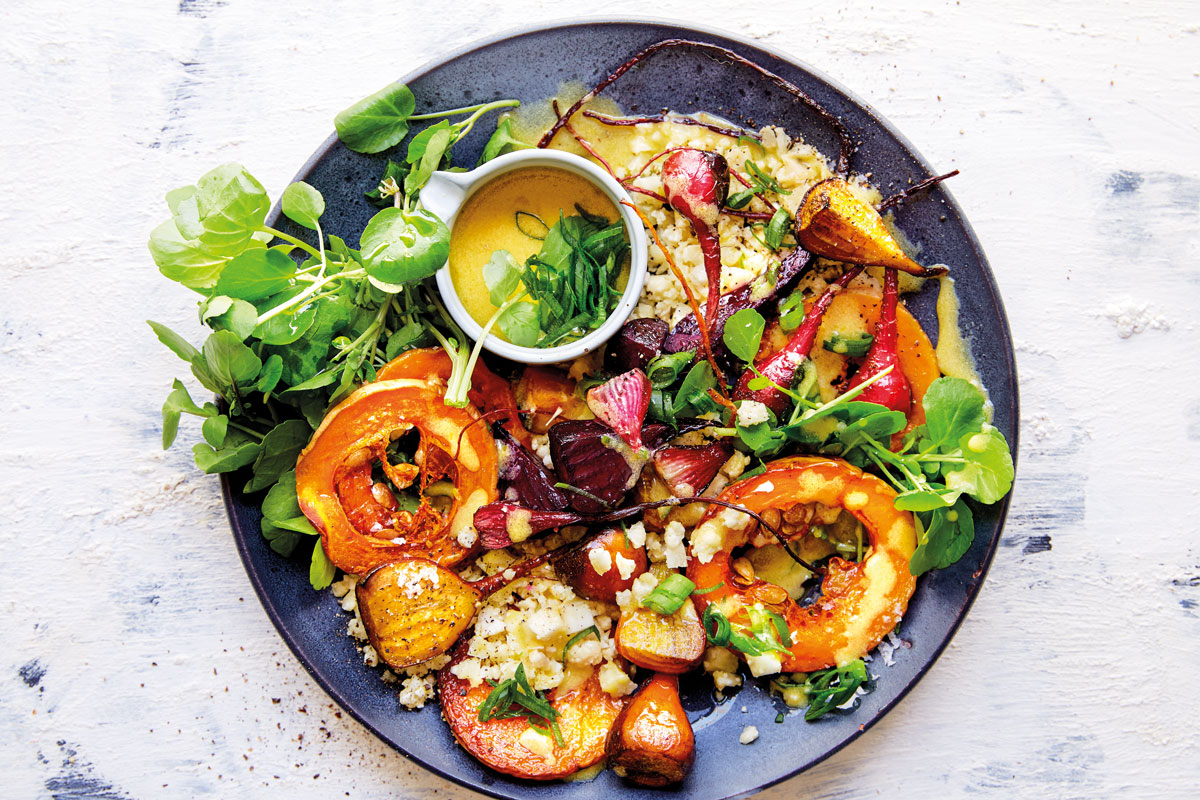
Caramelised butternut-and-beetroot salad recipe
2. Three-cheese cabbage bake
With winter on its way, you need an arsenal of hearty, warming vegetable sides at the ready, and this moreish cabbage casserole with cheese is just the thing.
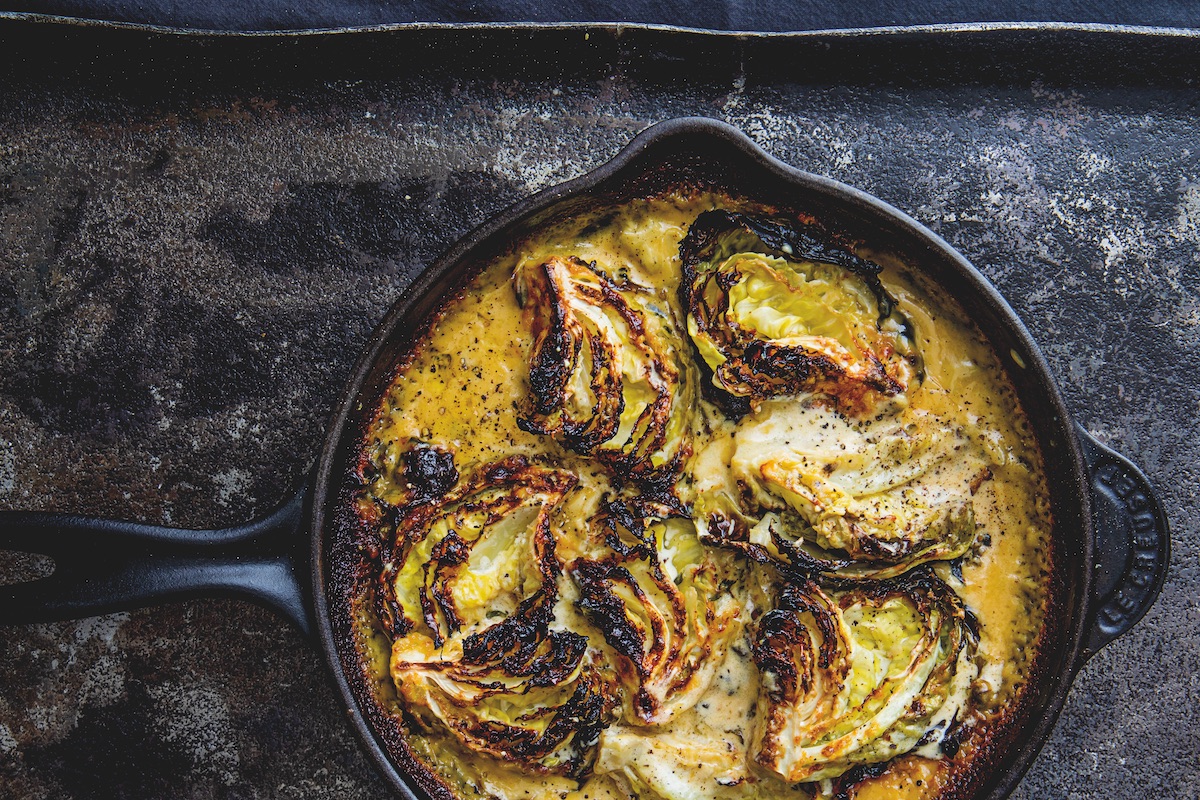
Three-cheese cabbage bake recipe
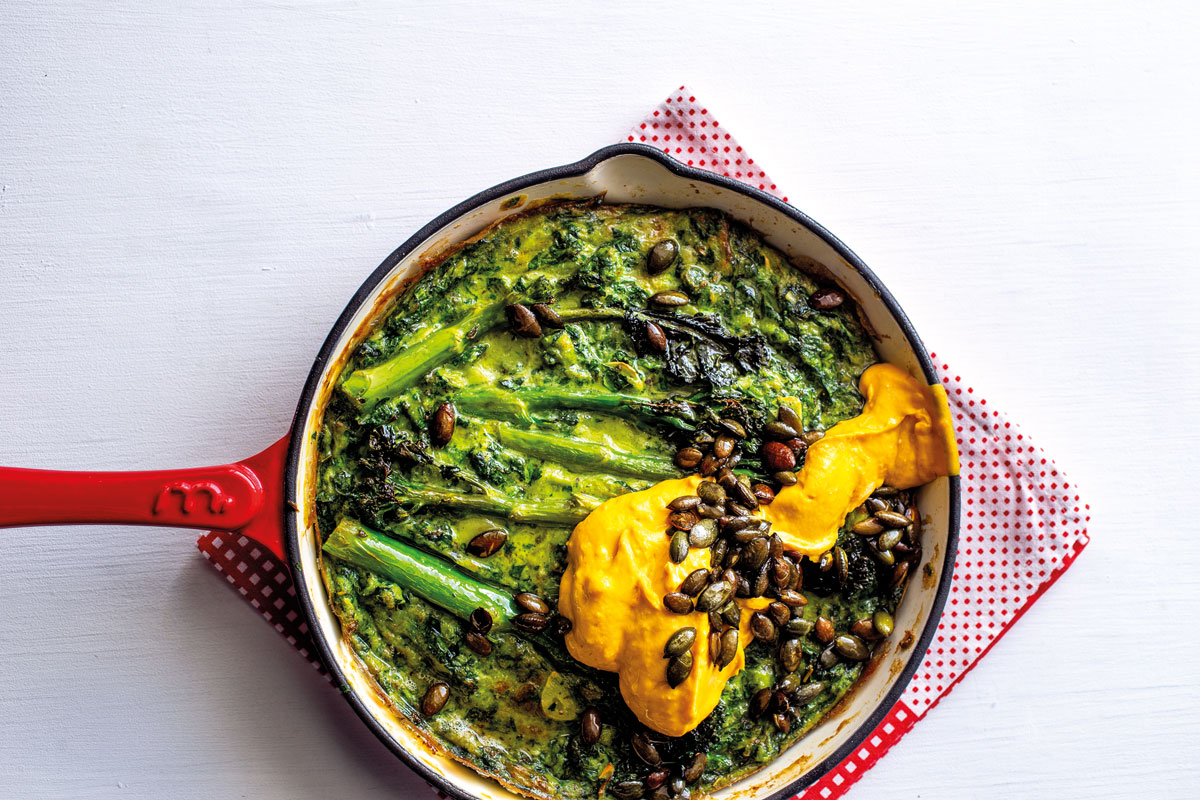
3. Easy morogo frittata
Swap out your regular weekend fry-up with a tasty frittata – Khanya Mzongwana’s morogo frittata (with roasted pumpkin cream!) will change your life.
Lauren du Toit is a registered dietician based in Durbanville. Contact her at https://dietitiancapetown.co.za/.


Comments