
Why gut health is important to your child’s diet
We’ve been hearing about gut health for a while now, but did you know a healthy gut starts forming from the moment you wean your baby? In her book Mindful Meals, dietician Kath Megaw explains more about the brain-gut connection and which foods to eat to support the development of a healthy gut.
The gut-brain axis is a complex communication network that allows these two organs to send signals to each other, Kath explains. “The state of your microbiome can significantly influence your mind, emotions and mental health, affecting how you (and your children) feel and behave daily.”
In fact, a large amount of serotonin, i.e. the “happy hormone”, is made in the gut. This means the gut plays a crucial role in managing stress and anxiety and bringing about joy and calm.
“The foods we offer our children can either support this microscopic community or throw it into disarray,” Kath explains. Foods such as fruit, vegetables and wholegrains keep our kids satisfied and content. On the other hand, processed foods high in saturated fat, salt and sugar bring only a temporary lift and lead to imbalances that affect mood, learning and overall health.
ALSO READ: How to eat to lift your mood
Tips for a healthy gut
In Mindful Meals, Kath highlights five key strategies to follow to ensure your family has healthy brain-gut connections:
1. Embrace whole foods
Whole foods include fruit, vegetables, whole grains, lean meat, chicken, eggs, fish, legumes, nuts and seeds. Many of these foods, such as avocados, olive oil, eggs and fatty fish such as salmon, are also high in healthy fats. Healthy fats “help keep kids full, stabilise their energy levels and support vital bodily functions,” Kath explains.And before you panic about how to find time to prepare these healthy options – because prepackaged foods are just so much easier, right? – Kath says: “Nature’s foods are easy to prepare and packed with goodness.
Think of a baked sweet potato, fresh berries, or a boiled egg.”A note on fruit: fruit contains fructose, a type of sugar, which is fine when consumed in a whole fruit as it comes along with vitamins, fibre and water. Fruit juice on the other hand contains high amounts of fructose but no fibre and very few micronutrients. “Fructose sugar found in fruit juice and many other sugary drinks and snacks is absorbed and sent to the liver very rapidly. When the liver takes in more fructose than it can handle, some of it is stored as fat. This may contribute to insulin resistance, raised triglycerides and cholesterol, and belly fat accumulation.”
2. Limit processed foods
Processed foods tend to be high in refined sugar, salt and unhealthy fats. “Junk food may leave our children feeling irritable, sluggish and sometimes hyperactive,” Kath explains. “Over time, it could take a toll on their physical and mental well-being.”When it comes to sugar, Kath cautions parents to keep their heads. If you prevent your children from consuming sugar completely, you run the risk that they may become obsessed with it. Rather, she says, allow occasional treats and create healthier home-made versions of their favourite treats
ALSO READ: The lowdown on processed food
3. Add fermented favourites
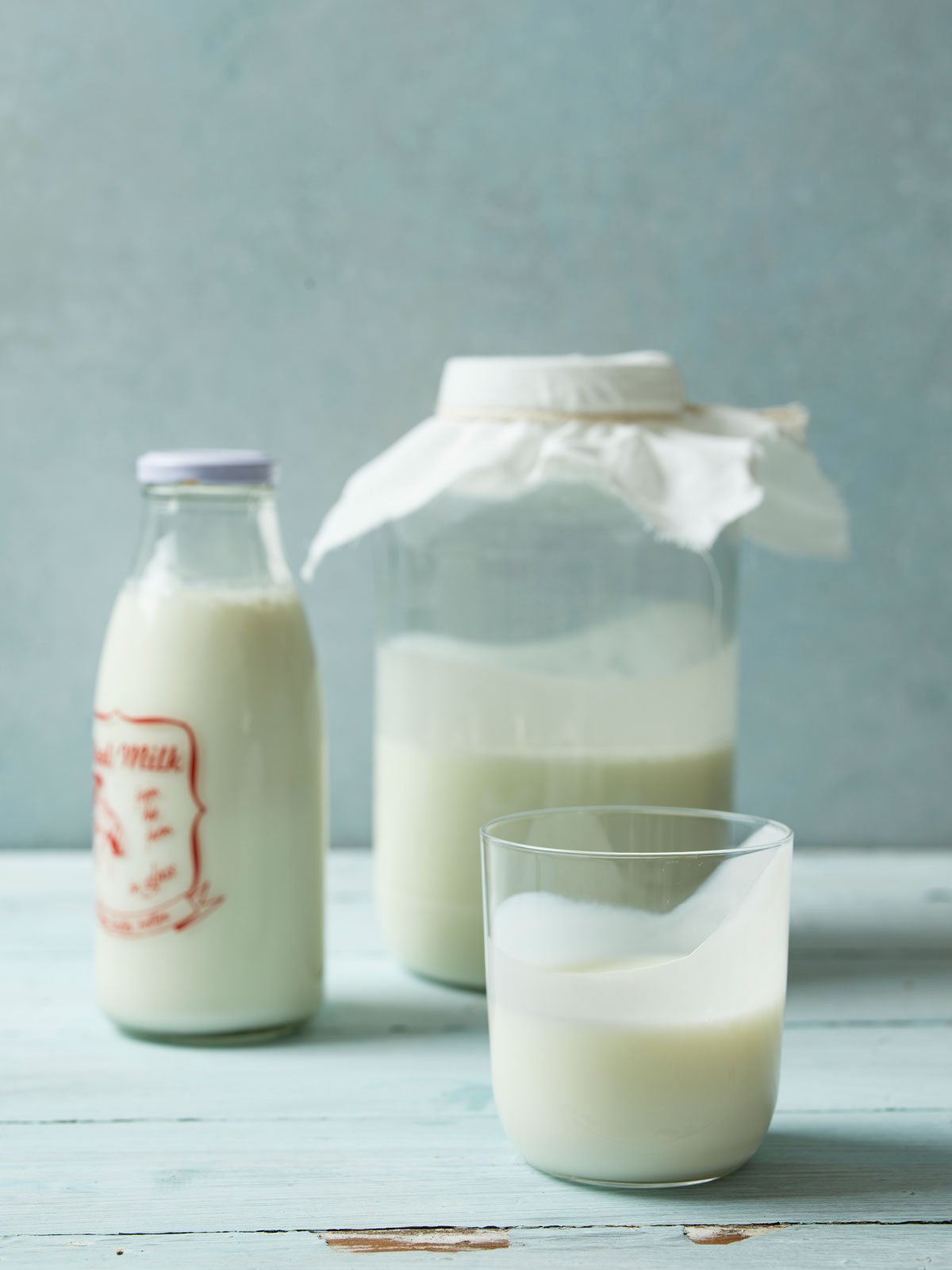
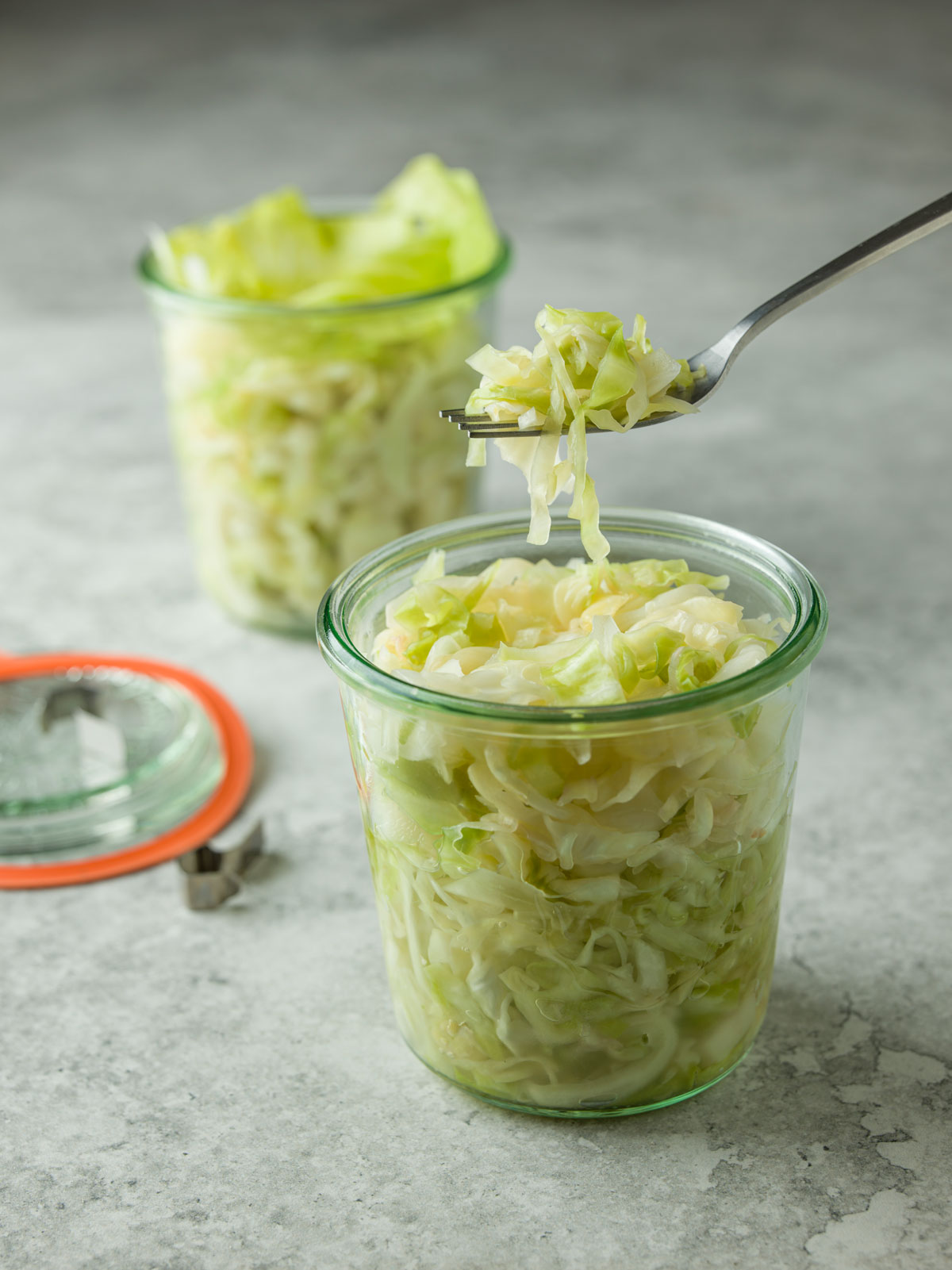
Foods such as yoghurt, kefir and sauerkraut are rich in probiotics. Probiotics are the beneficial bacteria that maintain a healthy balance in the gut. You also want to make sure your kids consume prebiotics, (which help probiotics to grow and thrive).
Prebiotics are found in plant foods such as vegetables, legumes, seeds, nuts and fruit. The best sources include:
- Garlic
- Onions
- Leeks
- Asparagus
- Artichokes
- Beetroot
- Ginger
- Mushrooms
- Pumpkin, sesame, sunflower, chia and flaxseeds
- Beans, chickpeas, lentils and peas
- Tofu
- Brown and basmati rice
- Stoneground flour
- Oats
- Sorghum, millet, spelt and quinoa
Other examples of foods that may contain probiotics include:
- Kimchi
- Yoghurt with live cultures
- Cottage cheese
- Amasi
- Tempeh, natto and miso
- Sourdough bread
- Cheeses that are aged but not heated afterwards, for example Cheddar, Gouda, Parmesan and Brie
- ALSO READ: What are prebiotics and how to get enough of them
4. A varied diet is key
Diversity promotes a rich microbiome, and the more diverse your child’s diet, the more nutrients they receive. Think colourful fruits, crisp vegetables, fibre-rich grains and lean meats. “A rainbow on the plate means a spectrum of vitamins, minerals and antioxidants.” But try not to stress if your child only sticks to strawberries on a specific day. It may be strawberries today, but broccoli tomorrow and a sweet potato the day after. Over the course of a week, you should notice that your child consumes a wider variety than what it may seem – if they’re presented with those options. Which brings us to point number five...
5. Lead by example
Kids mimic what they see, so ensure you’re laying the foundation for health eating habits for years to come. As parents, your role when it comes to eating is about much more than just providing healthy foods for your family. It’s also about shaping their relationship with food through actions like being confident in your own body. It’s about using mealtimes as opportunities to connect as a family and to encourage politeness and manners, and to set the tone of your home as it relates to eating.
Gut-friendly recipes to try from Mindful Meals:
Sauerkraut
Kefir
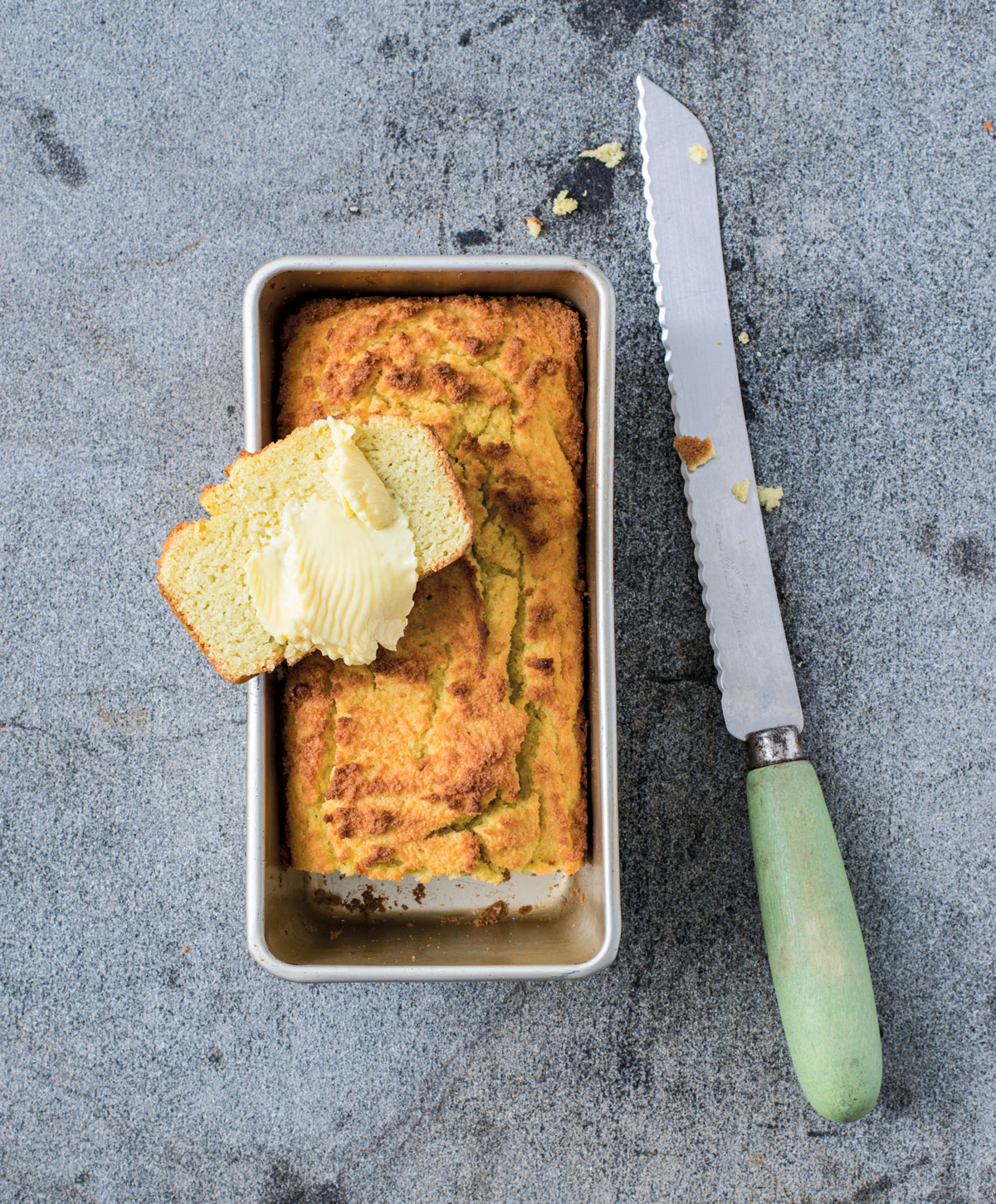
Gut-friendly bread
ALSO READ: Is your child a picky eater? Here’s how you can help
Kath Megaw is a paediatric dietician who has been solving children’s eating problems for over 26 years. She is the co-author of Mindful Meals, which contains easy, practical and effective strategies you can apply in your everyday life, including over 100 recipes with a special focus on the powerful connection between the gut and the brain. It retails for R450 and can be found at most reputable bookstores in South Africa.


Comments