
Modern food pyramid: Your new healthy eating guide with recipes
The food pyramid you may have grown up with has had a do-over. Here’s your round-up of what’s changed, plus recipes for a balanced diet in 2026
As social media trends go, nutrition policy isn’t usually high on the list of topics likely to go viral. But in January 2026, it did just that. The reason: the US Department of Health and Human Services and Department of Agriculture (USDA) unveiled a modern food pyramid that turns everything we knew about a balanced diet plan on its head. Literally.
What is the modern food pyramid?
In 2011, the USDA replaced the ‘traditional’ food pyramid with MyPlate to provide caregivers and educators with nutritional information. Now, the ‘new food pyramid’ has been put forward as an alternative. “The ‘new food pyramid’ depicts the traditional food pyramid in an upside-down manner,” explains Raffaella Braga, a registered dietician at Nutritional Solutions in Pretoria. “In the past, carbohydrates and grains made up the base or largest part of the diet. In the new food pyramid, grains have been shifted to represent smaller quantities.”
The diagram that circulated on social media, the size of the grains portion in the new daily nutrition guide looked alarmingly small. However, says Braga, “the image might not be an accurate representation of the actual carbohydrate guidelines, since it recommends 2-4 servings of grains per day, which is similar to previous recommendations.”
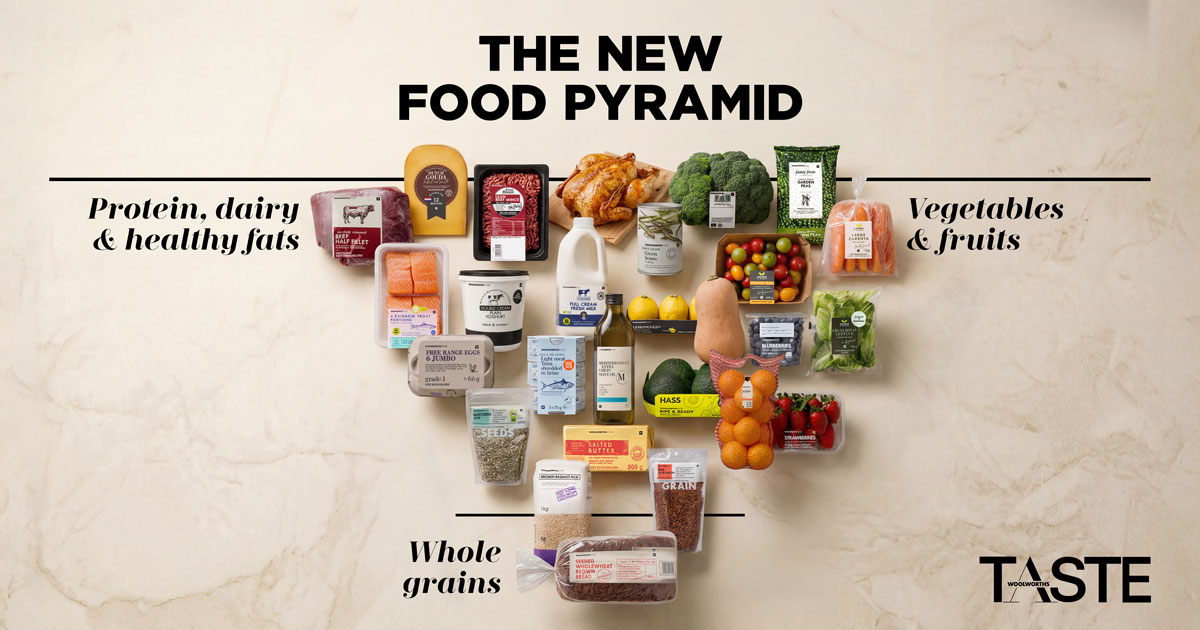
Other changes to the healthy eating guide include:
- a big focus on fruit and veg (half the image)
- a recommendation of full-fat over low-fat options for dairy products
- a new recommendation of no added sugars for children under the age of 10.
Probably the biggest change, though, is around recommended protein intake, which has increased significantly and now prioritises animal sources over plant-based proteins.
Why the new healthy eating guide?
While it’s technically for use in the US, and not globally, the modern food pyramid has divided people everywhere. For Elske Rich, registered dietician and spokesperson for The Association for Dietetics in South Africa (ADSA), it does provide some healthy guidelines.
Quality macros
For starters, the new healthy eating guide ties in with modern research around macronutrients (carbohydrates, protein and fats). “The change reflects a better understanding of macronutrient quality,” says Elske. She notes that the rise of so-called “lifestyle diseases” prompted researchers to relook traditional guideline. It also reiterates the long-standing recommendations to limit sugars to 10% of calories.
Whole foods
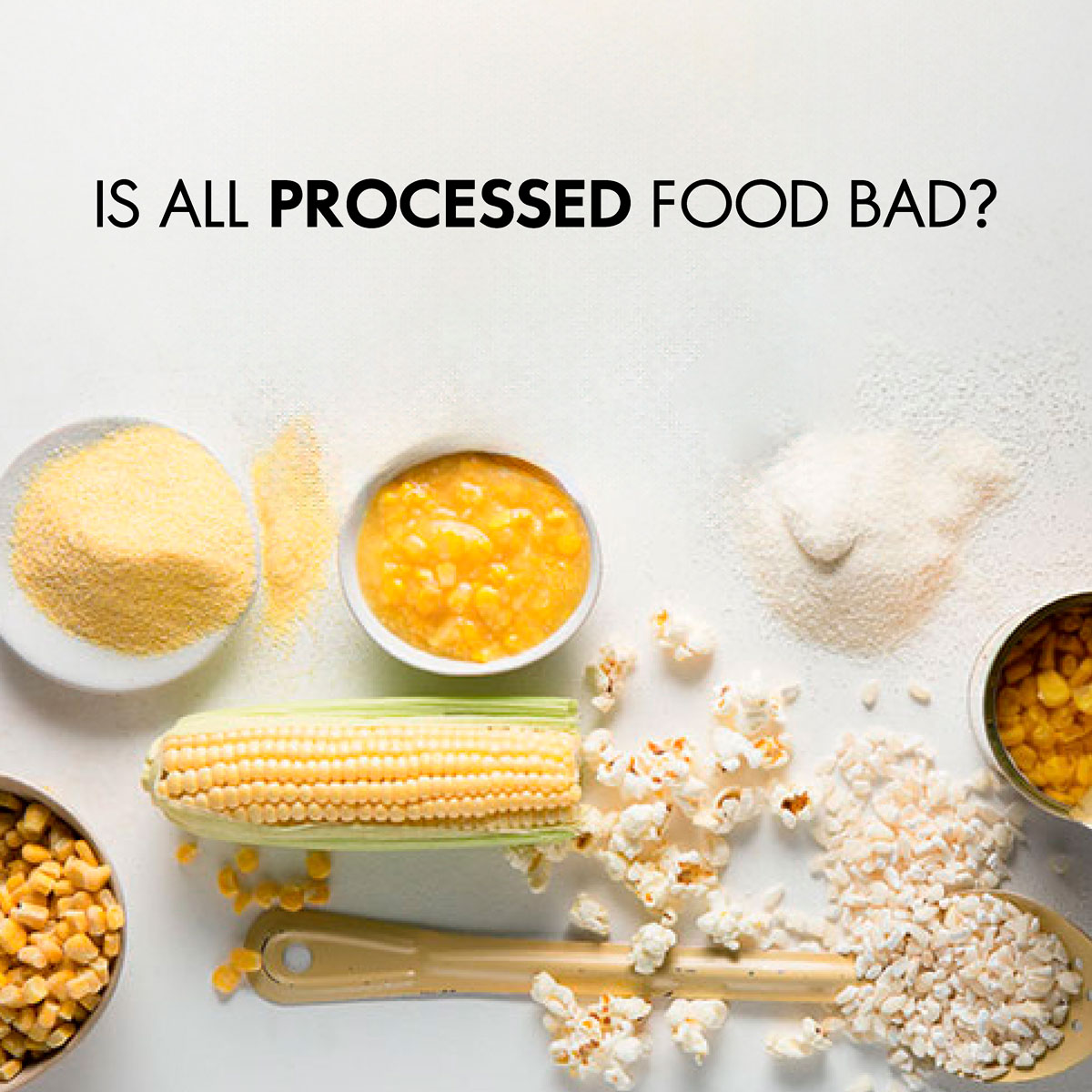
The new daily nutrition guide also moves away from ultra-processed foods. “Emerging evidence on ultra-processed foods has significantly influenced the updated guidelines, shifting the focus toward whole, minimally processed foods,” says Elske. She adds that a whole-food diet is better for absorbing nutrients, more satisfying and easier to stick to.
More protein
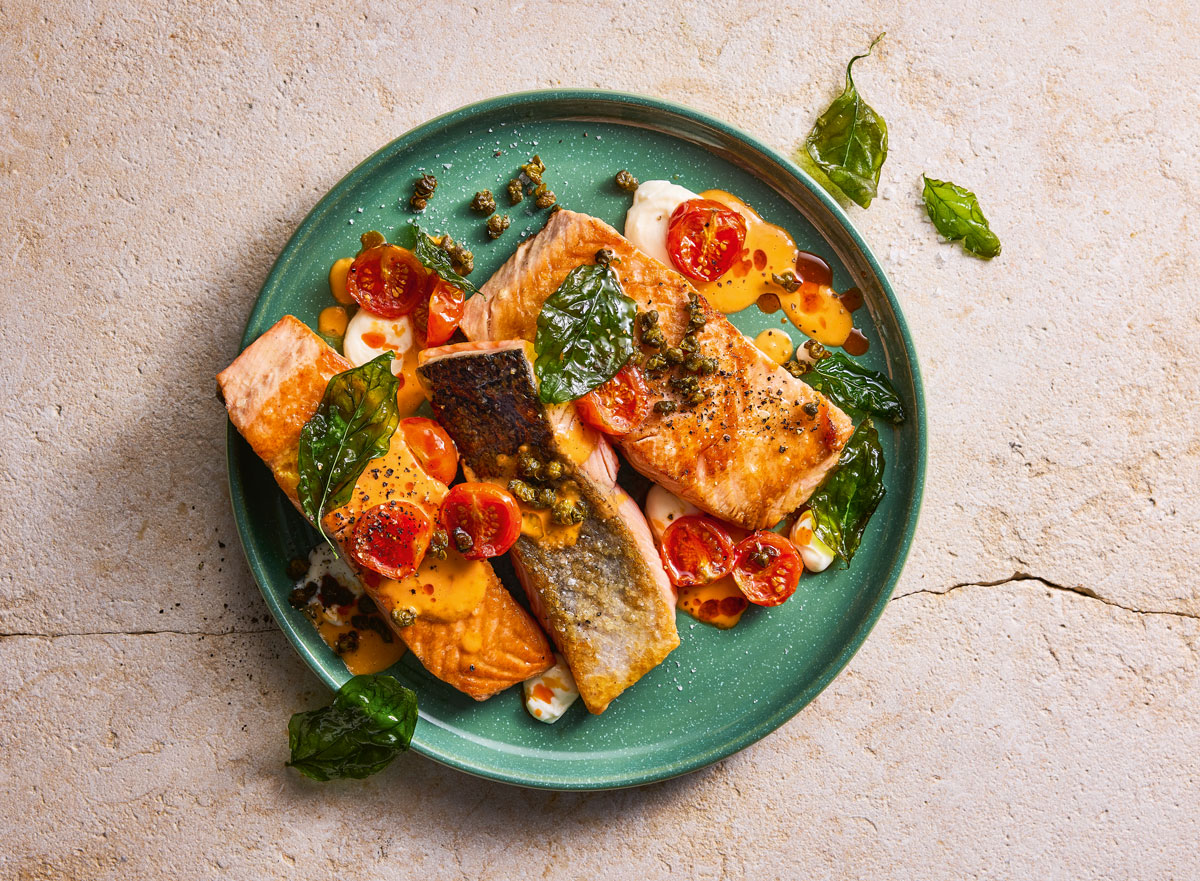
Elske notes that there’s evidence that protein keeps you fuller, helps with weight management and builds muscle.
READ: What’s the deal with high-protein diets?
Balanced eating plan made easier
One of the biggest perks of the new food pyramid is that it just feels more doable – or as Kirby Hendricks, registered dietician at Nutrition By Kirby in Cape Town, puts it more practical for real life. “The main message is to eat more ‘real food’ and less highly processed food,” she says.
As for following a balanced eating plan, that still holds. “The concept of a balanced diet is still essential,” says Elske. “What’s changed is how we define ‘balance’. The updated guidance reinforces that not all foods within a category are equal and quality is just as important as quantity.”
READ: The lowdown on processed food: here’s what you need to know
How to eat according to the modern food pyramid
This isn’t your cue to ditch food groups. “The new pyramid does not mean people should cut out carbs, live on protein, or suddenly fear foods like fruit, beans or grains,” cautions Kirby. “Balanced eating still absolutely matters.”
In everyday terms, says Kirby, a healthy balance could look like oats with yoghurt and fruit for breakfast; a chicken or bean salad wrap for lunch; and fish, rice and vegetables for supper. “For most people, the best approach is still to build meals around a mix of foods.”
9 recipes for the modern food pyramid
1. Nutty fruity breakfast
You don’t need highly processed, sugary cereals to enjoy a sweet brekkie.
2. Chicken curry
Hardly any packaged ingredients were harmed in the making of this protein-packed bowl of goodness. Go easy on the rotis.
3. Fried whole fish
Served with seasonal roast veggies, this ticks the whole foods boxes.

4. Harissa ruby vegetables with feta and black-bean salad
Don’t be put off by frozen veggies – many of the nutrients they contain are locked in at peak ripeness, making them similar in nutrient quality to fresh veg.
5. Brinjal curry with chickpea dumplings
This delicious winter warmer uses whole brinjals and swaps refined flour for more nutrient-dense chickpea flour – which incidentally is also naturally gluten-free.
6. Ostrich steaks with grapefruit-and-cucumber salad
A simple dish that’s as nutritious as it is tasty. Ostrich contains more protein and less saturated fat than beef, making it a savvy swap for the braai.
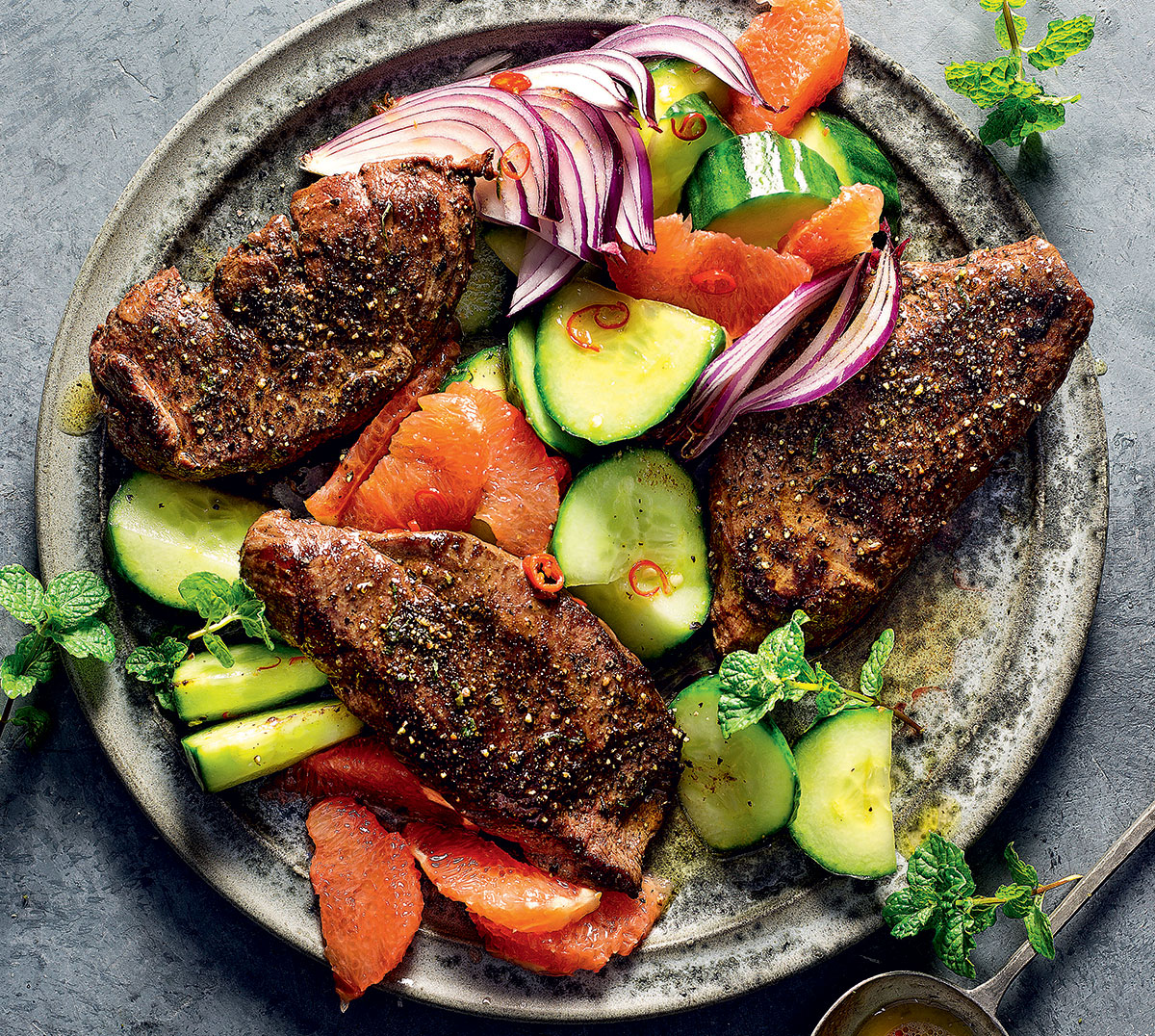
Ostrich steaks with grapefruit-and-cucumber salad recipe
7. Sweet potato tagine
The modern food pyramid doesn’t tell you to cut out carbs, but it does prioritise quality carbs over empty carbs. This comfort meal gives you quality with flavour.
8. Haleem
Protein, full-fat dairy and good-quality carbs in one fragrant, antioxidant-packed dish.
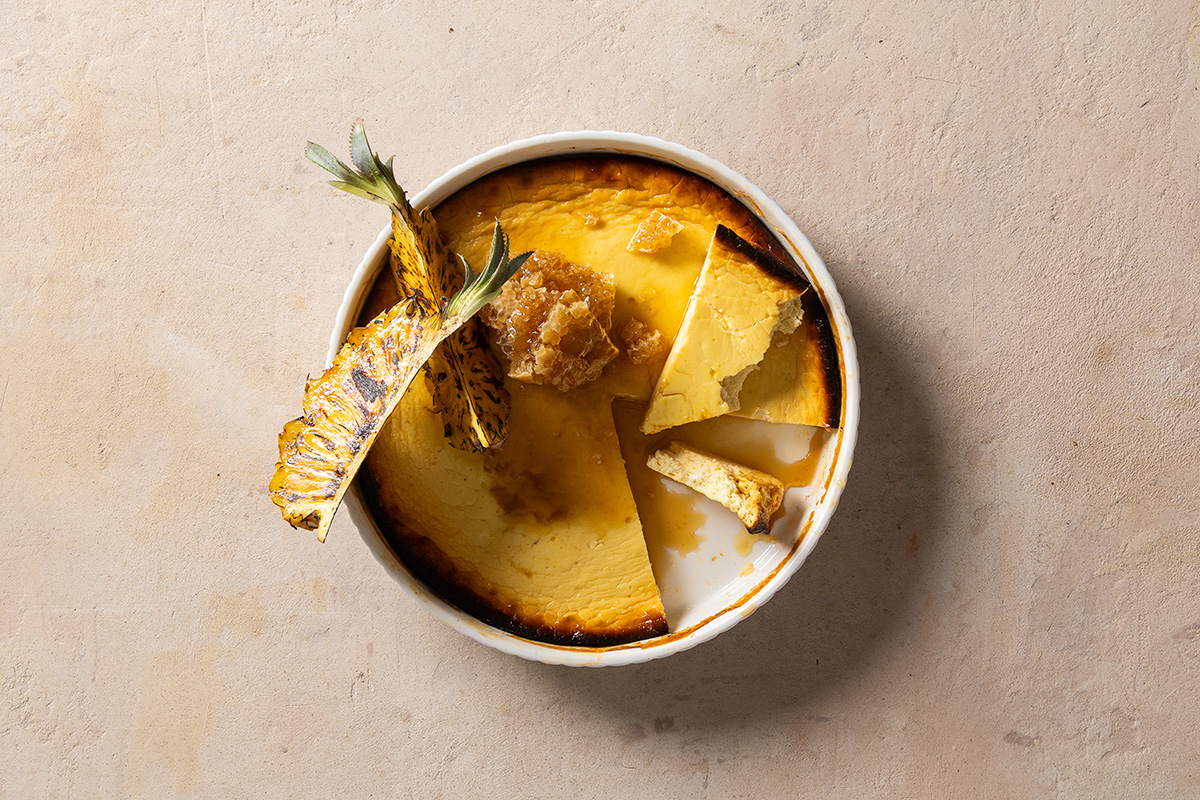
9. Baked yoghurt
This contains a smidge of sugar, but the protein, full-fat dairy and whole foods make it a more modern-food-pyramid-friendly choice of sweet treat than many others.
This information is not intended to be a substitute for professional medical advice, diagnosis or treatment. Always seek the advice of your physician or other qualified healthcare provider with any questions you may have regarding a medical condition.


Comments