
The secret to authentic Vietnamese Pho
Discover the magic of traditional Vietnamese pho. Learn what makes the broth so special and be inspired to recreate these authentic flavors in your kitchen.
Pho is the only thing I want right now.
Not coffee. Not sleep. Not even the water bottle I accidentally left on the plane somewhere between my Singapore layover and Johannesburg. As I stand in the immigration queue at OR Tambo – jetlagged, dehydrated, and slowly losing patience – I can think of only one thing: a steaming bowl of comfort.
Take me back 28 hours.
Back to Hanoi, perched on a flimsy plastic stool with my knees tucked to my chin as scooters weaved around me in every direction. At the center of the chaos, sticky plastic tablecloths rattled with clinking plates as chopsticks flashed over the small, crowded tables.
One bowl stands out more vividly than the rest. Pho Bo Khoi Hoi, tucked down a quiet lane in Hanoi's Old Quarter, served pho all day until the broth ran out. You could choose everything from rare steak and brisket to tripe and marrow bones, but what I remember most is the fresh mint scattered over the top, bringing a brightness that cut through the richness of the broth.
It was my second bowl of the day. My ninth of the ten-day trip. And somehow, it still tasted like exactly what I needed. Exactly what I need right now.
Rice noodles slick with steam. Coriander and Thai basil dancing without restraint. Silky slices of brisket. The remnants of a squeezed lime wedge resting at the edge of the bowl. Hot chilli crunch clinging to the surface. All enveloped in the warmest hug: nước dùng – a broth so fragrant and comforting it feels less like a dish and more like something that knows how to care for you.
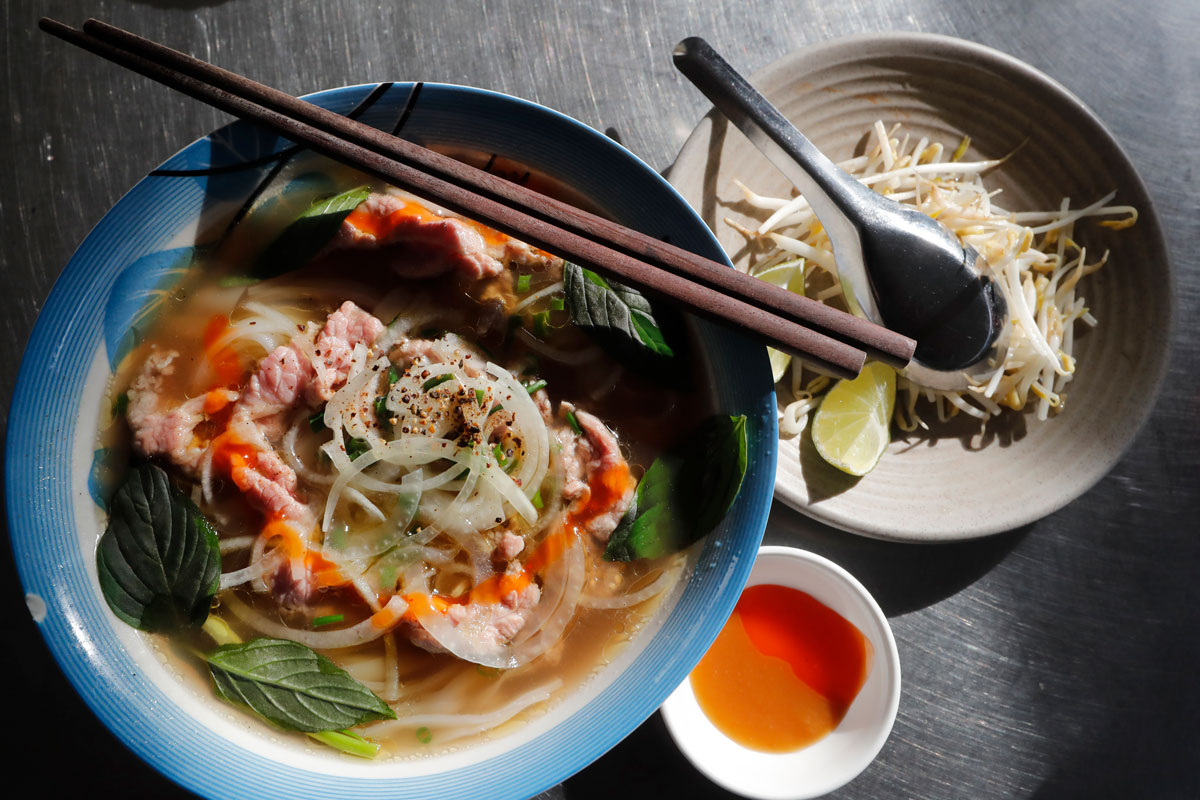
Understanding the balance of Vietnamese soup
Nothing about pho is rushed – perhaps a gentle reminder I need in this very moment. There’s a delicate balance between the depth of a broth simmered low and slow, and the bright freshness of herbs scattered in at the very last second. Every ingredient serves a purpose. Every flavour knows exactly where it belongs.
Whether you’re learning how to make pho at home or simply trying to understand why this traditional Vietnamese soup inspires such devotion, its magic lies in balance: sweet, salty, sour, spicy and umami all existing in quiet harmony.
For chef Ashley of Annam Viet Cuisine in Pretoria, that harmony extends beyond what is in the bowl itself. "Vietnamese cuisine is built around balance – freshness, texture, aroma and hospitality," he explains. "Not only do we want our guests to experience the flavours of Vietnam but also the warmth and generosity that are such an important part of Vietnamese culture."
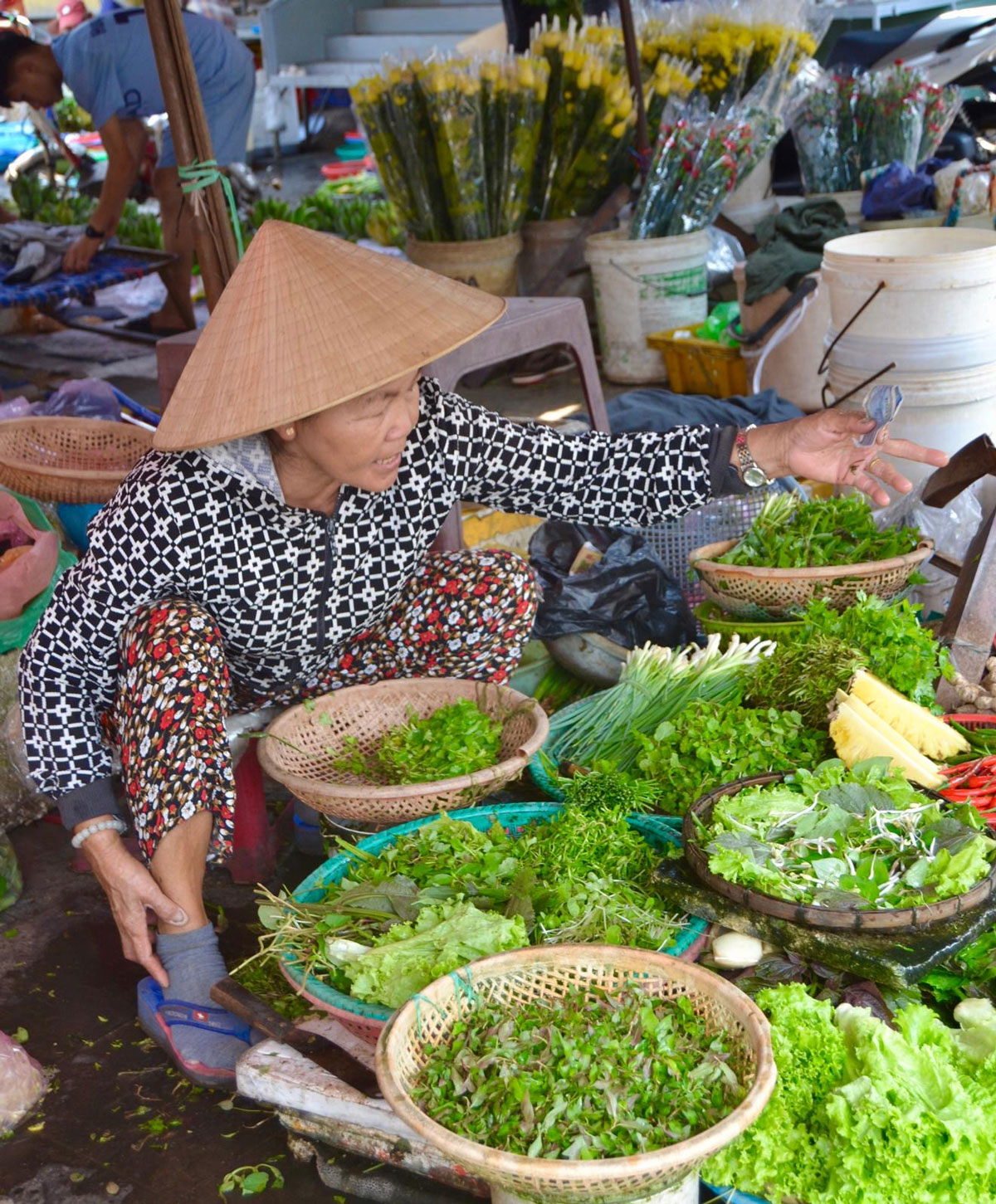
That balance is different depending on where you are in Vietnam. Northern pho, from Hanoi, is known for its clear, delicate broth and simplicity, allowing the flavours of the beef and aromatics to shine. Southern pho, which became popular in Ho Chi Minh City, takes a richer approach, with a slightly sweeter broth and a generous plate of herbs, bean sprouts, lime and sauces served alongside. One focuses on restraint, the other on variety but both are built around the same foundation: a carefully prepared broth.
And it all begins with nước dùng.
How to make pho broth: A step-by-step masterclass
The broth is non-negotiable. As chef Yen, the culinary veteran at Yen’s Vietnamese Street Food in Cape Town, notes, the secret to a truly perfect bowl comes down to just three things:
"Using fresh ingredients, the correct aromatics and a long-cooked broth."
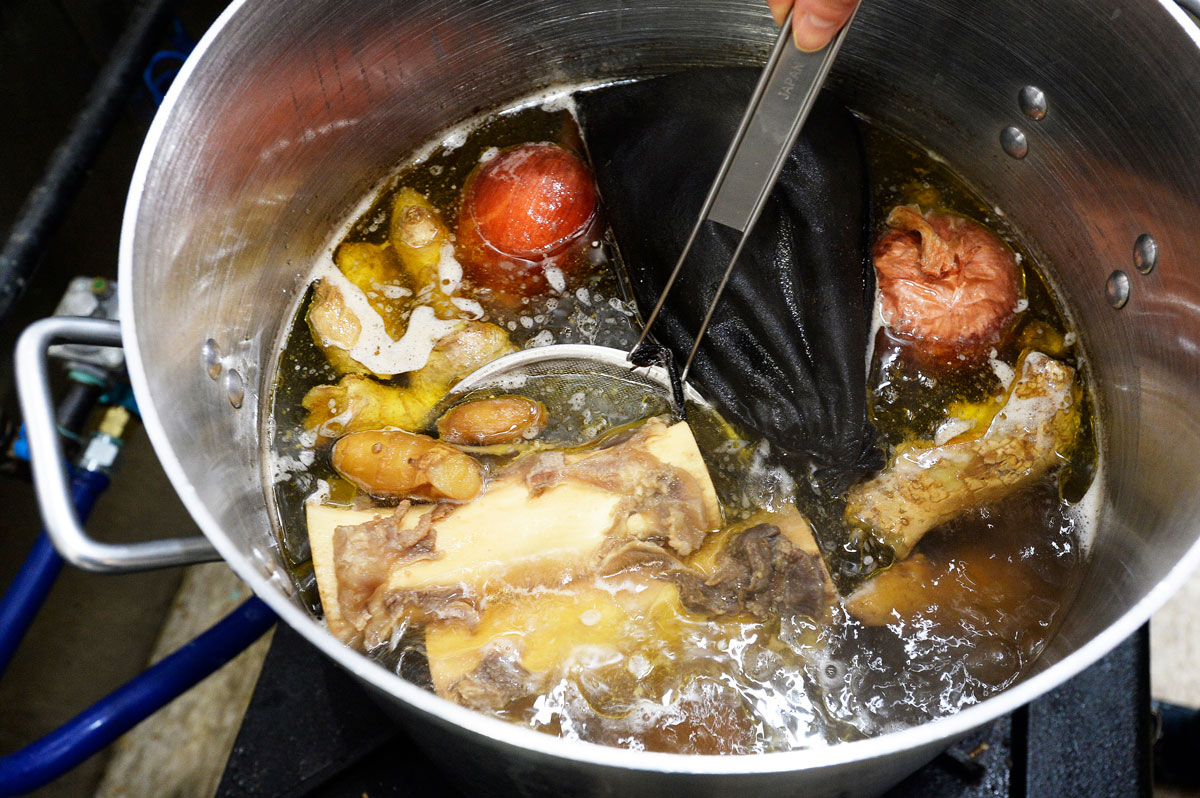
To achieve that masterclass pho recipe, bones – beef knuckles, marrow bones, oxtail – are simmered gently for hours, carefully skimmed to achieve that famous clarity. Onions and ginger are charred over open flames until blackened and fragrant, releasing sweetness into the stock and softening the richness of the beef. Then come the spices: star anise, cinnamon, cloves, cardamom, coriander seeds. Toasted. Wrapped in muslin like a family secret and slowly left to slowly infuse the pot.
Chef Yen believes sourcing the ingredients is an uncompromising dedication required to build what he calls a "culinary bridge that brings home-town flavour to international friends." Yet authenticity, as chef Ashley points out, is about far more than sourcing the right spices or herbs. "For us, authenticity is about much more than ingredients. It's about recreating the feeling of Vietnam."
The anatomy of a perfect bowl of Vietnamese pho
When your bowl of Vietnamese pho arrives, it feels almost ceremonial.
- The noodles: Soft sheets of bánh phở, slippery and delicate enough to absorb the broth while still holding their bite.
- The beef: Thin ribbons of brisket or rare steak, gently poached by the heat of the broth itself.
- The finish: Spring onions, bean sprouts, mint, coriander, Thai basil, fresh chilli and lime. Every addition brightening and sharpening the bowl in its own way.
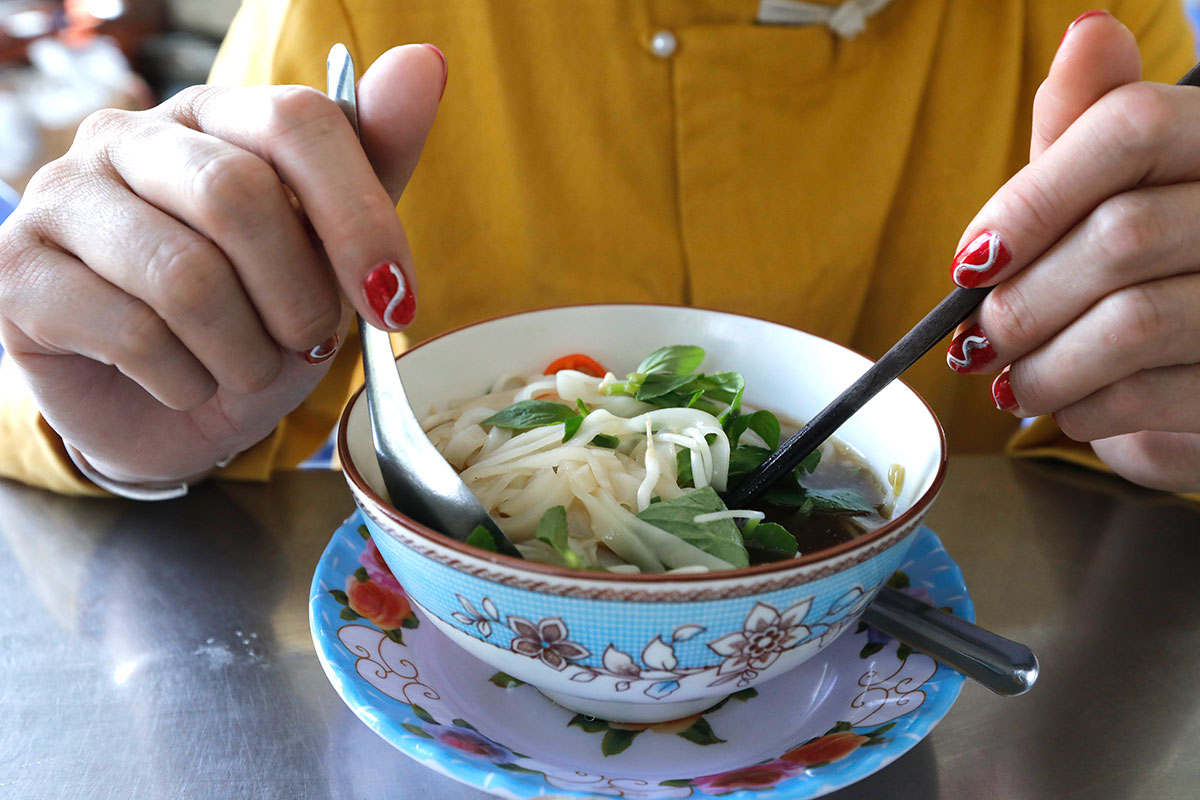
In Vietnam, I learned that there’s an unspoken etiquette around eating pho. You don’t immediately reach for the sauces. First, you pause. You lean over the bowl and inhale the steam – that first aroma is the cook’s signature.
Chef Ashley agrees. "The first rule is simple: taste the broth before adding anything." After all, the broth is the heart of pho and can take many hours to prepare. Before reaching for herbs, lime or chilli, she encourages diners to appreciate the flavour exactly as the chef intended.
You sip the broth as it is. Only then do you begin adjusting, tasting, building the bowl into something personal. A squeeze of lime here. A spoonful of chilli there. A conversation between you and the soup.
And that, perhaps, is where pho becomes so deeply comforting. Once you've tasted the broth in its pure form, there are no strict rules. Add herbs gradually. Introduce a little lime if you enjoy brightness. Increase the chilli if you prefer heat. As chef Ashley notes, adding ingredients little by little allows you to experience how the flavour evolves throughout the meal.
It’s a sensory experience that relies on a "harmonising combination of visuals, sounds and fresh ingredients," says Yen. Because ultimately, consistency in the food, paired with a distinct sense of warmth and agility, is what makes a Vietnamese table feel like home.
Perhaps the most Vietnamese way to enjoy pho is not to worry too much about doing it "correctly". It is comfort food, after all. Once you've honoured the broth, the rest is about making the bowl your own.
Even now, somewhere between Hanoi and my own kitchen, I can still taste it.
Bringing home the flavours
If you’re craving that Hanoi-street-side experience, you can recreate the magic of Vietnamese cooking in your own kitchen. Here are a few TASTE recipes inspired by these timeless flavour principles to get you started:
- Chicken Phở Bò (Vietnamese chicken soup) An exceptional, lighter alternative to beef, this comforting chicken pho recipe delivers a soul-warming broth infused with star anise and ginger, showcasing the classic technique of building deep, aromatic layers.
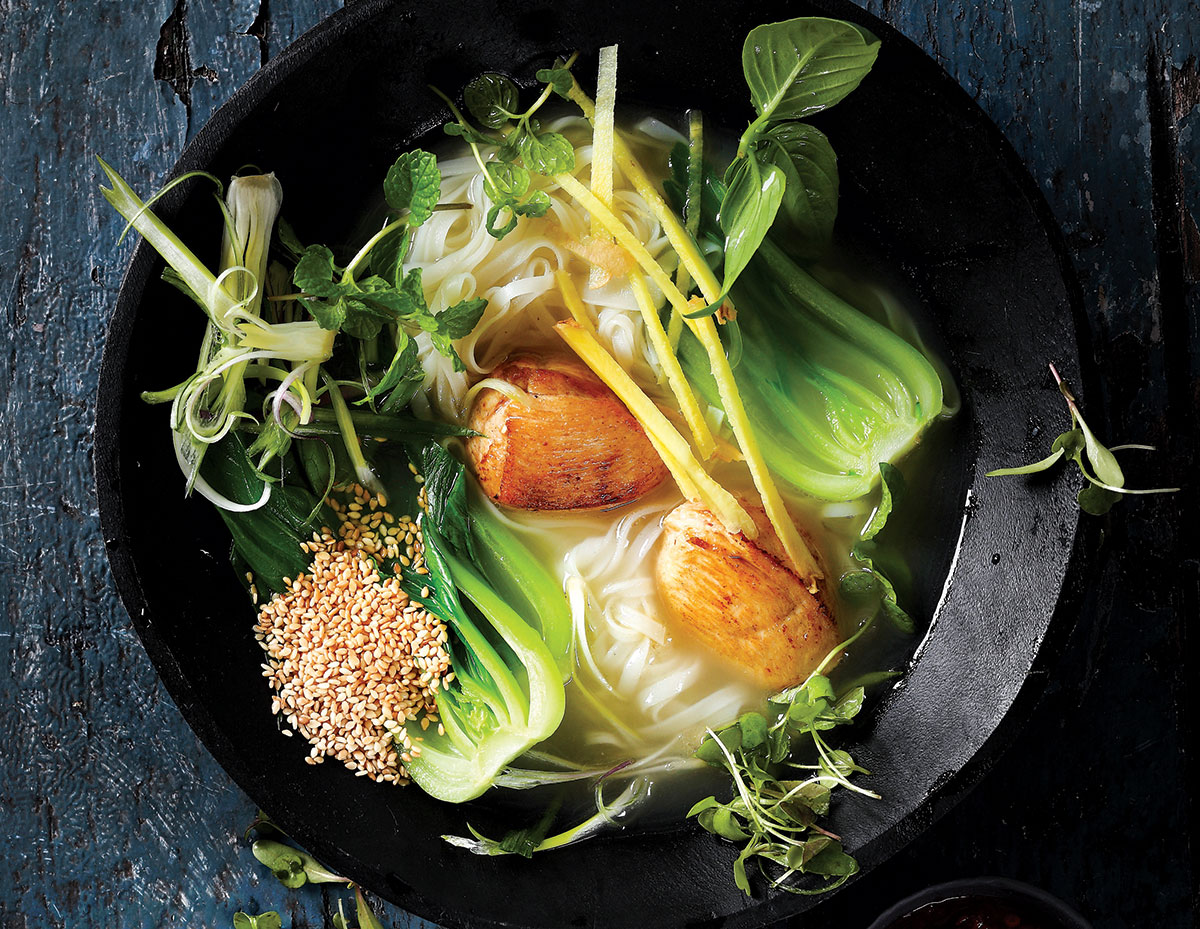
Chicken Phở Bò (Vietnamese chicken soup) recipe
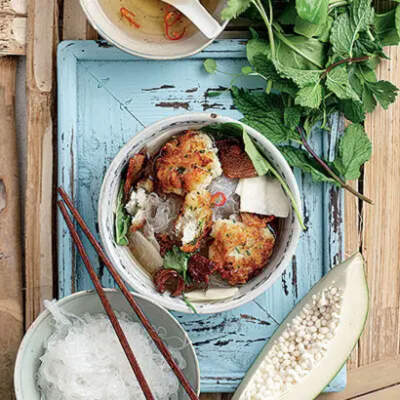
- Vietnamese Bún Chả Cá While not a traditional beef pho recipe, this classic fish cake noodle soup highlights the intricate balance of a clean, slow-cooked broth paired with fresh herbs, offering a spectacular look into how masterfully Vietnamese soups balance texture and depth.
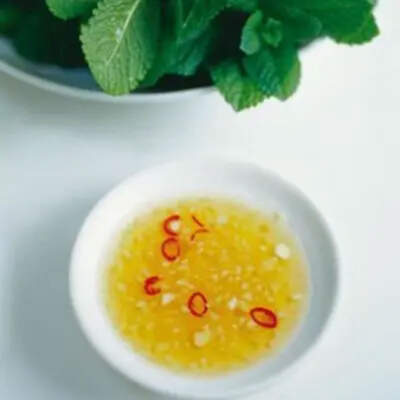
- Vietnamese dipping sauce (Nước Chấm) The ultimate expression of Vietnamese flavour principles, this foundational dipping sauce perfectly harmonises sweet, salty, sour and spicy elements using fish sauce, lime, sugar and chilli.


Comments