
The future of food: What we might be eating in 10 years
Food trends over the next decade will likely lie between the contrast of technological optimisation and the pull towards nostalgic localism.
If the last decade proved anything, it’s that food trends rarely move in predictable directions. The 2010s, an era once dominated by clean eating and ethical consumption, eventually gave way to butter boards, protein-enhanced everything and viral fast-food hacks. While we can never fully guess what food will look like in 10 years, if the current landscape tells us anything, it’s to expect the unexpected and more of the same.
“If you’d like to see how we’ll eat in the next decade, look at how we ate in the last decade,” says Sam Bompas, director of Bompas & Parr, a creative food design agency based in London. Drawing on the last ten years, the next ten will likely be shaped by opposing impulses: technological optimisation versus emotional connection, hyper-efficiency versus ritual, global instability versus local identity. While the future was once envisioned as sterile and engineered, the current reality is more complex. As AI and geopolitical instability impact food security, wellness culture has made eating measurable. Trends like "protein-maxxing" and longevity diets prioritise performance, while a parallel interest in sourdough, indigenous grains and home cooking persists.
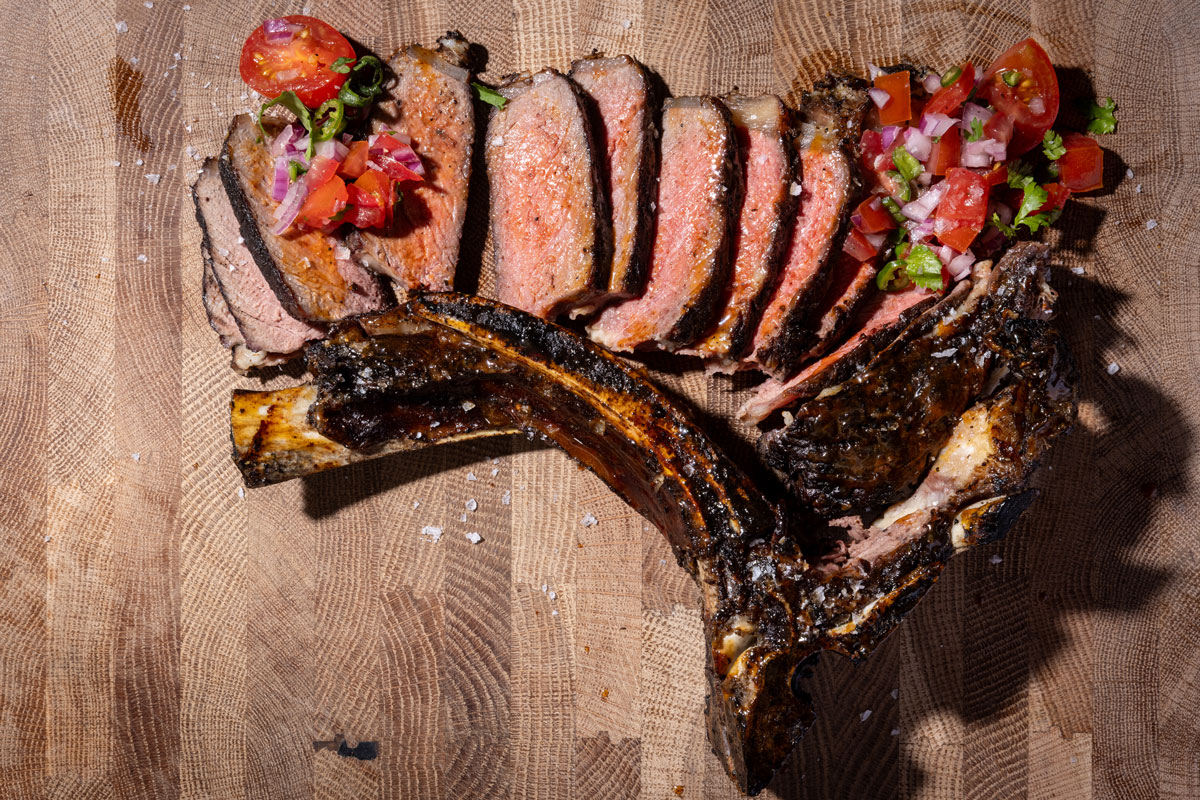
From protein goals to fibre maxxing, we’re all tracking what we eat
In many ways, eating has become measurable and reframed through data. Protein targets, fibre goals, glucose monitoring, and longevity metrics increasingly shape the way people eat, reframing food culture through the language of performance and efficiency.
Online searches for ‘high protein’ meals, recipes and products have been steadily increasing over the last five years, and this is showing no sign of waning. With sites like Allrecipes finding that 22% of more than 1,300 newly launched grocery products in 2025 made explicit protein claims, our obsession with optimising mealtimes continued well into 2026, too. This year, ‘fibre-maxxing’ took shape as a defining food trend, likely as both an extension of wellness culture and the rise of GLP-1s.
Where the 2010s were defined by plant-based diets and sustainable consumption, the next decade may see eating become more about optimisation.
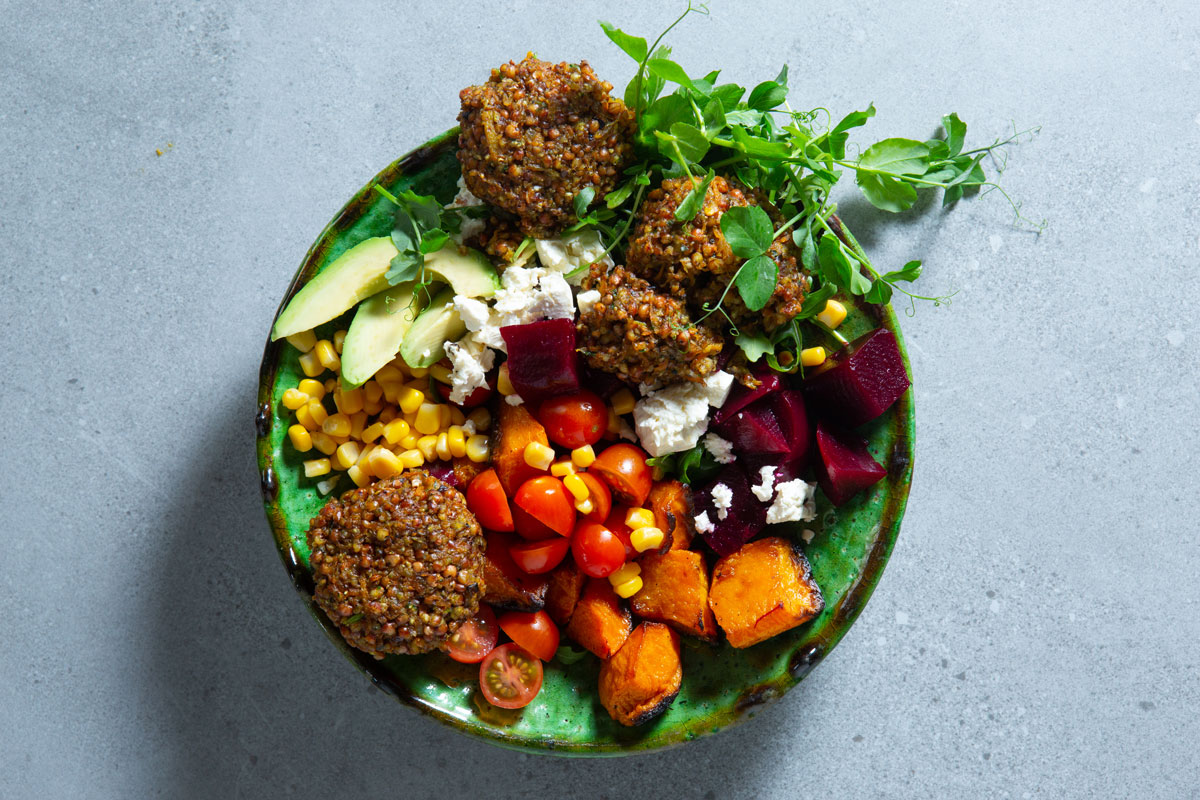
ALSO READ: What is personalised nutrition and does it work?
The Ozempic effect
The rise of Ozempic and other GLP-1 weight-loss drugs may accelerate this even further. Globally, these medications are already influencing restaurant menus, alcohol consumption and portion sizes, while increasing demand for nutrient-dense, high-protein foods designed around satiety.
Historically, food culture has revolved around abundance and desire. But what happens when millions of people simply feel less hungry? Juwan Beyers, an independent food designer based in Cape Town, says that eating is increasingly treated as performance, measured through efficiency and control. “But I believe the emotional aspect of food will always remain supreme, because food is the only form of expression we can physically consume.”
AI in the kitchen
As AI has steadily made its way into every aspect of our lives, the role it’s played in food has largely been logistical and operational.
AI in food innovation aims to modernise the slow and fragmented food innovation process, with applications including analysing consumer behaviour, predicting food trends and developing hyper-personalised meal plans.
In agriculture, AI-assisted systems are helping farmers monitor soil conditions, reduce waste and optimise yields in response to climate pressure. It is also streamlining food production, from ingredient development to manufacturing.
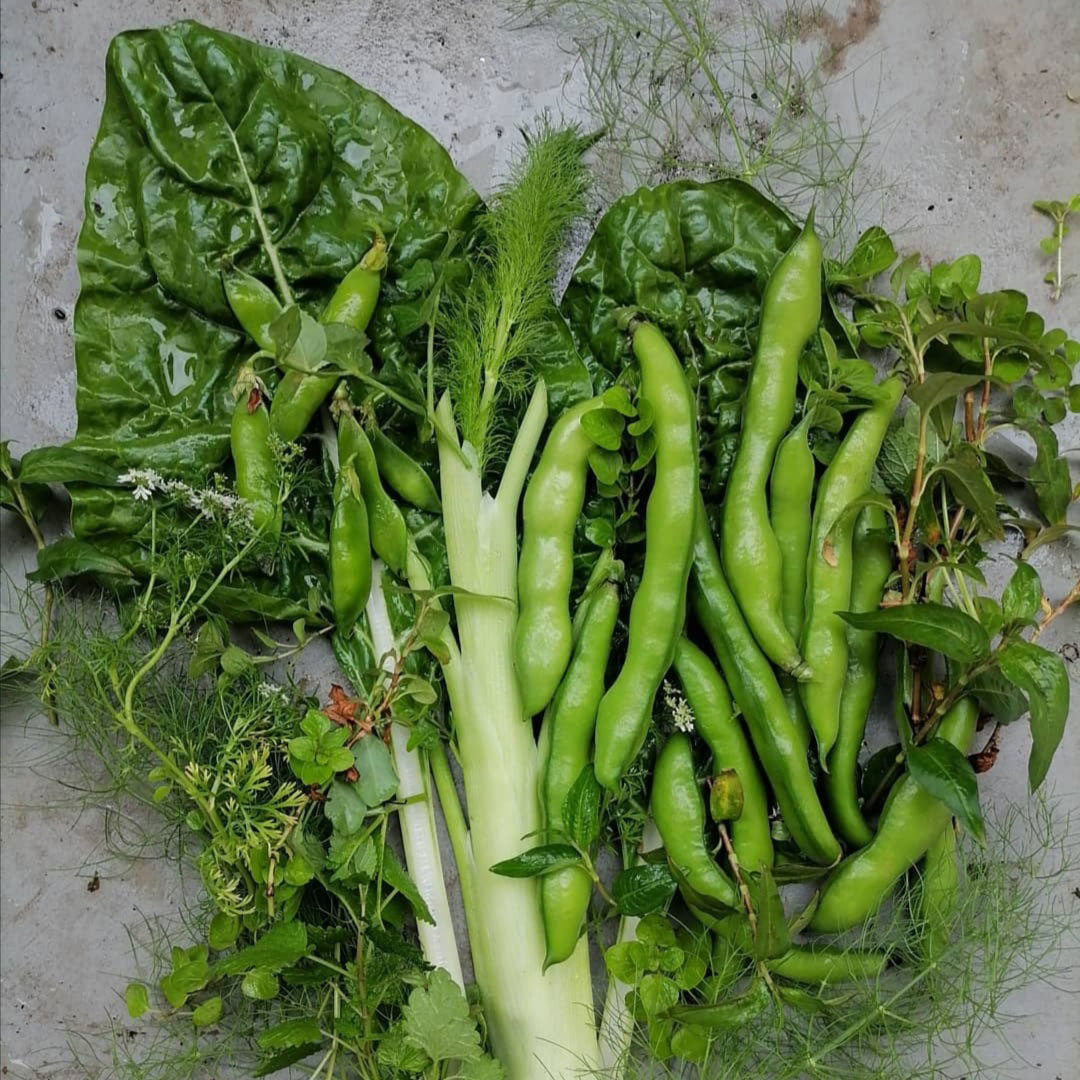
In home kitchens, recipe-generation tools and algorithmic cooking platforms are beginning to shape how people discover and prepare food.
Over the next decade, artificial intelligence could influence everything from how crops are grown to what ends up on our plates. Historically, recipes were passed down through families and regions, and now they may emerge from datasets instead.
Does this mean taste itself could become increasingly data-driven? “AI will undoubtedly become an important tool in helping humans make decisions around agriculture, nutrition and systems design,” says Juwan, though he believes the current over-reliance on AI will eventually stabilise. “Humans will always value intuition, craftsmanship and imperfection over purely artificial creation.” The more automated food becomes, the more people may crave authenticity, seeking experiences that feel intuitive, imperfect and unmistakably human.
ALSO READ: 8 food trends to look out for in 2026

Authentic home cooking will still be key
Perhaps in contrast to this digital, optimisation culture, a strong theme we can’t ignore is the consistent power of home cooking and the rise of elaborate home cooking. From fermentation and breadmaking to hyper-seasonal cooking and preserving, this suggests less focus on nostalgia and more of a resistance to an increasingly synthetic world.Cooking, increasingly, is becoming both ritual and performance.
“Please keep being adventurous and going on culinary explorations of the world around you,” says Sam. “Food is culture and your body's spectacular sensory apparatus to understand the world.”
RECIPE: How to make a sourdough starter
The Return to Local
That search for authenticity may also drive renewed interest in indigenous ingredients and hyper-local food systems. As climate pressure and geopolitical instability make imported ingredients more expensive and supply chains less reliable, resilient local crops and traditional food knowledge may become increasingly valuable.
In South Africa, especially, this could mean greater attention being paid to indigenous grains, drought-resistant crops, and regionally adapted ingredients that have long existed outside of mainstream food culture. Rather than constantly searching for the next superfood abroad, the future of food may involve rediscovering knowledge systems that industrial food culture has overlooked.

ALSO READ: Under-appreciated South African ingredients
Beyers predicts a greater return to locality, regenerative food systems, fungi, sea plants and circular cooking practices that minimise waste. “But more importantly, food will become increasingly experiential, moving beyond nourishment into storytelling, sensory immersion, and emotional connection,” he adds. At the same time, novelty and curiosity will continue to shape the way we eat. Sam Bompas is particularly excited by what he calls “weird fruit”. “So far, humankind’s only discovered 20,000 of the anticipated 80,000 edible fruits,” he says. “What will the fruit salad of the future be?”
While none of us has a crystal ball we can use to predict the future, it’s clear that a single ingredient or technology won’t singularly define the next decade of eating. Rather, tension between opposing forces will shape what we eat, such as optimisation and emotion, globalisation and locality. In many ways, the future of food may become simultaneously more engineered and more human. As AI, pharmaceuticals and geopolitics reshape what we eat, people may become more attached to food that feels tactile, imperfect, regional and emotional. The next decade of eating may not simply change what we eat, but why we eat the way we do.


Comments